The new i3 marks a clear turning point for BMW’s electric ambitions. As the brand’s first Neue Klasse electric sedan, it represents far more than a routine model update — it’s a clean break from the compromises of BMW’s earlier EV efforts. With the first pre-series vehicles now rolling off the line, BMW is preparing to begin mass production by the end of 2026.
Alongside the new iX3, the i3 is widely viewed as one of BMW’s most critical launches in years, regardless of powertrain. Built on the brand’s new 800-volt Neue Klasse platform, the i3 benefits from a fundamental rethink of how BMW designs electric cars. The platform promises around 30% faster charging and roughly 30% more range compared to BMW’s current EVs, addressing two of the biggest criticisms of its earlier models.
At the heart of the improvement is BMW’s next-generation battery and motor technology. The Neue Klasse platform introduces Gen6 cylindrical NMC cells, which BMW says are about 20% more energy-dense than its previous prismatic batteries. Combined with more efficient electric motors and advanced power electronics, the result should be a sedan that feels both lighter and more responsive than the outgoing model.
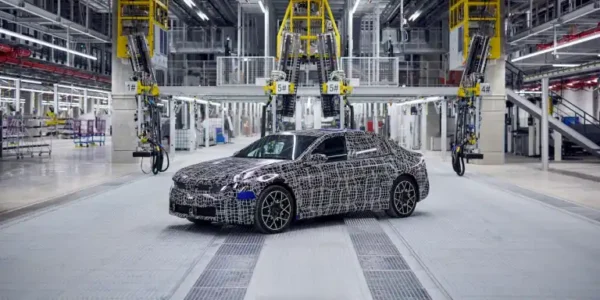
Production readiness is already taking shape. The first pre-series i3s were built at BMW Group Plant Munich, marking a milestone for a factory that is transitioning toward a fully electric future. These test vehicles represent the final step before full series production begins in the second half of 2026.
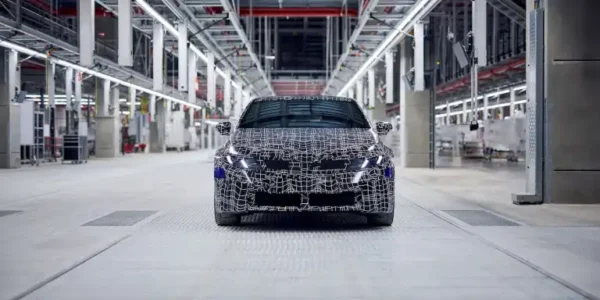
While BMW hasn’t confirmed final specifications, expectations are high. The i3 could share the iX3’s 108.7 kWh battery, enabling a WLTP range of up to 805 km. With a lower, more aerodynamic sedan profile, real-world efficiency may be even better. Charging performance should also be competitive, potentially matching the iX3’s ability to add hundreds of kilometers of range in minutes.
In my view, the Neue Klasse i3 is BMW’s most credible answer yet to rivals like the Tesla Model 3. More importantly, it signals that BMW is no longer adapting EVs from combustion platforms — it’s finally designing them with confidence from the ground up.