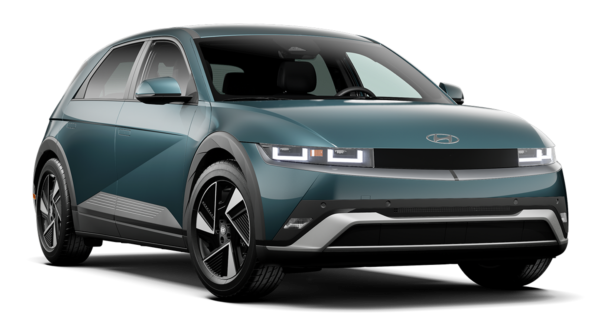
If reports are accurate that Hyundai Motor could supply 50,000 IONIQ 5 vehicles to Waymo by 2028, this isn’t just another partnership headline. It’s potentially a $2.5 billion statement that robotaxis are moving from pilot programs to industrial scale.
Fifty thousand vehicles is not a test fleet. It’s infrastructure.
The groundwork has been there since their 2024 strategic partnership to integrate the Waymo Driver into the IONIQ 5. Hyundai’s Georgia-based Metaplant America facility gives Waymo something it urgently needs: scalable, US-based EV production. And the IONIQ 5 itself makes operational sense — 800V fast charging minimizes downtime, while its spacious platform fits the economics of ride-hailing fleets where utilization rates define profitability.
Look at Waymo’s trajectory. With 400,000 paid autonomous rides per week and expansion plans into more than 20 cities — including Tokyo and London — its current ~2,500-vehicle fleet simply isn’t enough. The aging Jaguar Land Rover I-PACE platform is no longer viable at scale. Waymo needs a long-term backbone, not a stopgap.
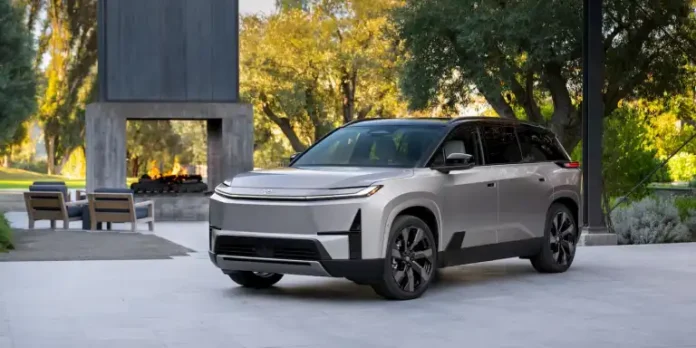
If this Hyundai deal materializes, it would mark a decisive shift: legacy automakers are no longer experimenting with autonomy — they’re aligning behind a clear leader. Toyota partnerships, Zeekr production, and public endorsements from industry executives suggest the ecosystem is coalescing around Waymo’s stack.
My view? If 50,000 units become reality, 2026–2028 could be remembered as the moment robotaxis stopped being a tech demo and started becoming transportation infrastructure. The race wouldn’t just be about software anymore — it would be about who can build, deploy, and operate at scale.