Tesla has officially launched its first vehicle-to-grid (V2G) program in the US, starting with Cybertruck owners in select Texas markets. On the surface, the “Powershare Grid Support” rollout looks incremental — limited geography, invitation-only, specific hardware requirements. But strategically, it marks a long-awaited shift: Tesla is finally letting its vehicles push power back to the grid.
Each Cybertruck carries a massive 123 kWh battery — roughly nine Powerwalls’ worth of storage. In a state like Texas, where the ERCOT grid has a history of volatility during extreme weather, aggregating even a few thousand trucks could create meaningful distributed capacity. Owners enrolled through Tesla Electric can automatically discharge energy during peak demand events and receive bill credits, while retaining control over reserve levels for driving.
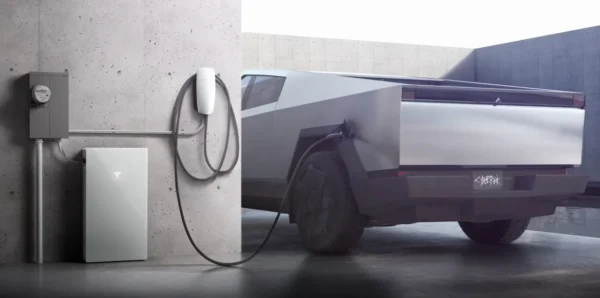
For Tesla, this move extends its virtual power plant strategy beyond stationary storage into mobile energy assets. The company has already paid millions to Powerwall owners participating in Texas VPP programs. Adding Cybertrucks dramatically increases the scale potential per household.
Still, Tesla is entering a competitive field. Ford Motor Company has offered vehicle-to-home functionality with the F-150 Lightning for years, and General Motors plans bidirectional capability across its EV lineup by 2026. Tesla’s implementation remains limited to one vehicle, and promised integrations have seen repeated delays.
For consumers, the value proposition is compelling: resilience during outages, bill credits during peak events, and the satisfaction of contributing to grid stability. For Tesla’s brand, it’s both progress and pressure — proof that bidirectional energy is real, but also a reminder that expectations were set long ago.
My view? This launch doesn’t make Tesla the V2G leader overnight. But it does signal that the company understands the next EV battleground isn’t just autonomy or range — it’s energy orchestration. If Tesla can scale Cybertruck V2G and expand it across its lineup, parked EVs could quietly become one of the most powerful tools in grid modernization.