ChargePoint says it enabled more than 100 million charging sessions over the past year, and the data suggests something important: demand is rising faster than infrastructure supply. That’s a subtle but significant shift in the EV narrative.
For years, the conversation focused on new EV sales. But as CEO Rick Wilmer points out, charger demand is now driven by the cumulative fleet already on the road. Nearly 60% of the 19.3 billion electric miles delivered on ChargePoint’s network over 18 years happened in just the past two. That’s acceleration.
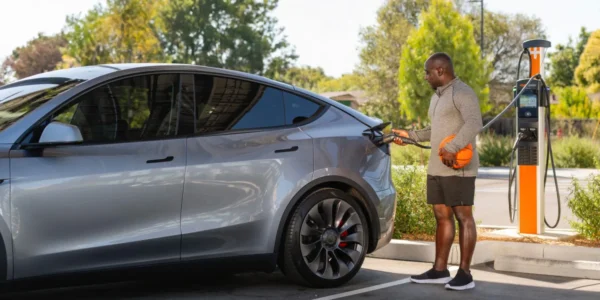
In 2025, global EV sales rose about 20%, yet charging sessions on ChargePoint’s network jumped 34%. Even with 190,000 additional ports added last year, utilization still outpaced infrastructure growth by nearly 20%. In practical terms, more drivers are sharing each charger.
This creates both pressure and opportunity. Higher utilization can mean stronger ROI for site hosts and investors installing chargers in 2026. But if deployment doesn’t accelerate, congestion risks becoming a consumer pain point — longer wait times, inconsistent availability, and potential hesitation among would-be EV buyers.
The numbers also show scale. Over 1 million monthly active drivers. Access to 900,000 roaming ports globally. An estimated 714 million gallons of gasoline avoided since 2007. These are no longer pilot-stage metrics — they reflect a mature, growing ecosystem.
My view? ChargePoint’s data reinforces that the EV market is moving into a utilization-driven phase. The question isn’t whether people are buying EVs — they are. The question now is whether infrastructure builders can keep up with the compounding demand of millions of vehicles already on the road.