Washington, DC has quietly taken an important step in solving one of urban electrification’s toughest problems: curbside charging. With a new pilot program led by DDOT and DOEE, the city is installing public Level 2 chargers directly on residential streets across all eight wards — targeting drivers who don’t have access to private garages or driveways.
That detail matters. In cities like DC, New York, or Chicago, a large share of residents rely on street parking. Without overnight charging access, owning an EV can feel inconvenient or unrealistic. By placing chargers curbside — one site per ward to start — the city is testing not just hardware, but a new policy framework for allowing private companies to operate chargers in the public right-of-way.
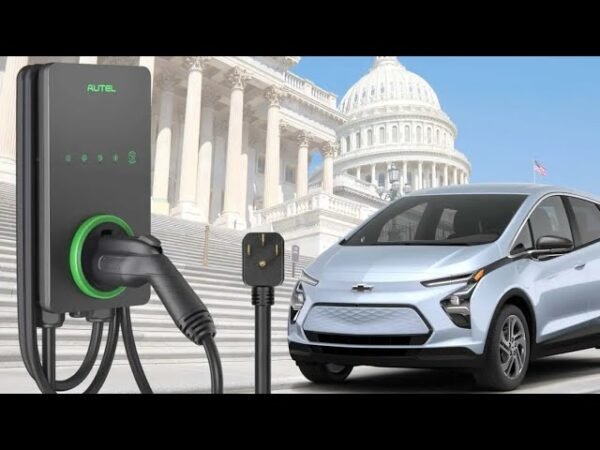
The partnership with Brooklyn-based startup it’s electric adds another interesting twist. These single-port Level 2 chargers require drivers to bring their own cable, reducing vandalism risk and hardware complexity. Residents can request a free NACS or J1772 cable through the app, lowering entry barriers while keeping infrastructure lean.
From a climate standpoint, the program aligns with DC’s goal of carbon neutrality by 2045. But its broader impact could be regulatory. If the pilot succeeds, it may shape a scalable permitting system for curbside charging — a blueprint other dense cities could replicate.
My view? This isn’t flashy infrastructure, but it may be transformative. EV adoption in urban America won’t be decided by luxury charging hubs — it will be decided by whether everyday residents can plug in where they live. If DC gets curbside charging right, it could unlock a model that finally makes street-parking EV ownership practical at scale.