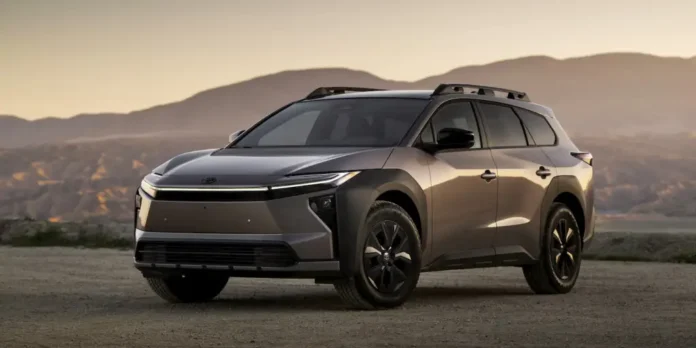
Toyota Motor Corporation is preparing to electrify one of its most important nameplates in Europe. After confirming that the next-generation Toyota Corolla will be offered as a full EV alongside hybrid, plug-in hybrid, and ICE versions, the Yaris is now next in line.
The Toyota Yaris is Toyota’s best-selling passenger model in Europe, and its success has long been built on efficiency, affordability, and practicality. Electrifying it is both logical and risky. Logical because Europe’s small-car segment is rapidly moving toward EVs. Risky because the Yaris will likely ride on a multi-energy platform rather than a dedicated EV architecture, which could limit packaging efficiency and range.
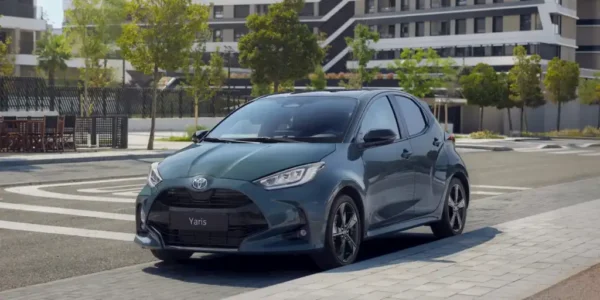
To compete in the B-segment EV market, the Yaris EV will need to match or exceed rivals like the Renault 5 E-Tech and the upcoming Volkswagen ID. Polo. A real-world range of at least 250 miles would be essential, along with competitive pricing. Europe’s urban buyers are highly price-sensitive, and Toyota cannot rely on brand strength alone.
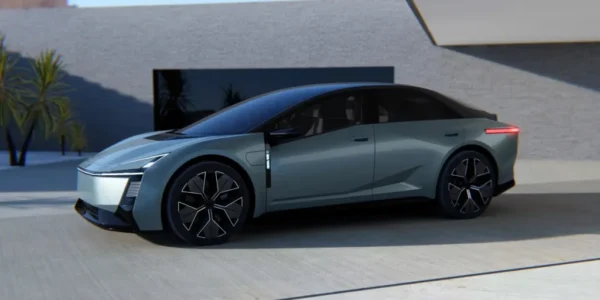
Toyota’s multi-pathway strategy remains intact. Hybrids will likely continue to dominate Yaris sales in the short term, but adding an EV variant ensures the model remains compliant with tightening EU emissions targets and future zero-emission zone policies.
My view? The Yaris EV won’t need to reinvent the segment — it simply needs to deliver Toyota-level reliability, sensible range, and accessible pricing. If it does, it could become one of Europe’s most important mainstream electric cars. If not, it risks being overshadowed by younger, more purpose-built EV rivals.