BYD is stepping into one of the most protected segments in the global auto industry: Japan’s kei car market. Its first electric kei model, the Racco, is set to launch this summer — and it’s already generating buzz.
Kei cars dominate Japan because they are affordable, compact, and tax-advantaged. Measuring just under 3.4 meters long, the BYD Racco fits squarely within kei regulations, putting it head-to-head with domestic champions like the Honda N-Box and Nissan Sakura.
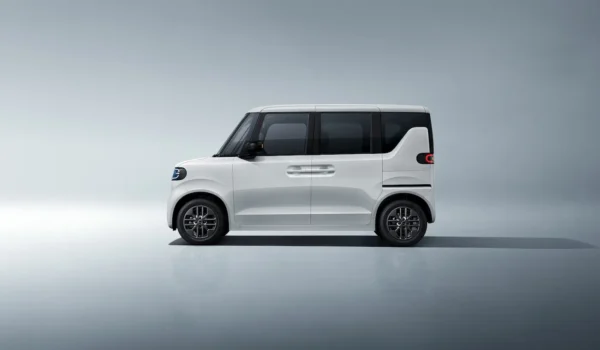
The Racco’s boxy proportions may not win beauty contests, but kei buyers prioritize practicality. Its tall roofline, sliding doors, and compact footprint make it ideal for dense Japanese cities. Powered by a 20 kWh LFP battery and a single front motor, it’s expected to deliver around 180 km (112 miles) of WLTC range — comparable to existing electric kei rivals.
Pricing will be critical. At an estimated 2.5 million yen (~$16,300), the Racco sits directly against Nissan and Mitsubishi’s electric offerings. BYD’s edge could come from battery expertise and perceived tech value, especially if its infotainment and build quality match expectations.
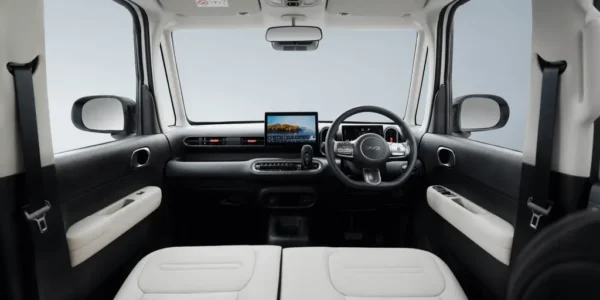
Outside Japan, the picture changes. In the US and Canada, kei cars face regulatory and safety barriers, limiting mainstream appeal. In Europe, however, compact urban EVs are gaining traction, especially in cities with congestion charges. Australia may see niche interest in urban centers, but scale would be limited.
Ultimately, the Racco’s significance goes beyond sales numbers. It represents a direct challenge to Japanese incumbents in their home market. My view? If BYD can deliver reliability, competitive pricing, and solid range, the Racco could do more than sell cars — it could redefine who gets to compete in Japan’s most protected segment.