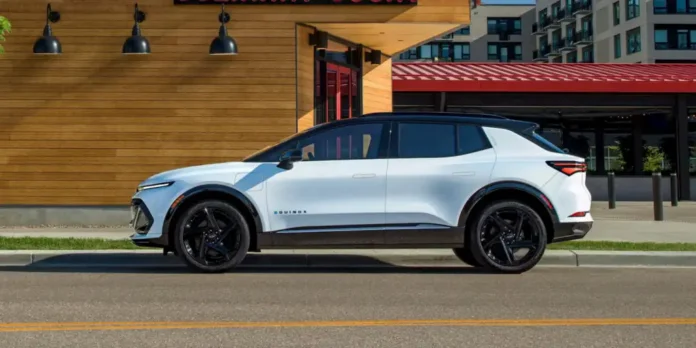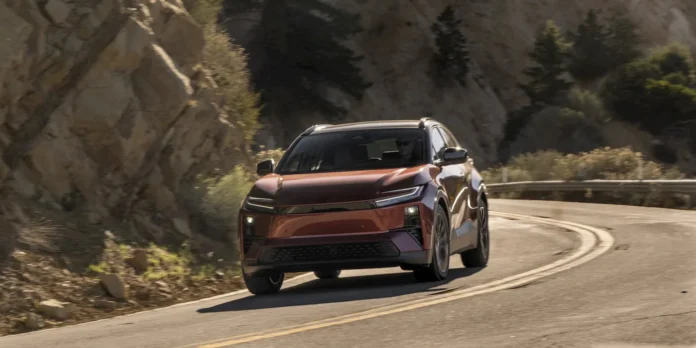
If you’ve spent time behind the wheel of an electric vehicle, the appeal is hard to ignore. The quiet cabin, instant torque, and smooth, uninterrupted acceleration create a driving experience that feels fundamentally different from traditional gas cars. According to the 2026 US Electric Vehicle Experience (EVX) Ownership Study from J.D. Power, that experience is translating into record-high owner satisfaction.
An overwhelming 96% of EV owners say they would consider buying or leasing another electric vehicle next time — even without the now-expired $7,500 federal tax credit. That’s a powerful indicator that adoption is moving beyond incentives and into genuine preference.
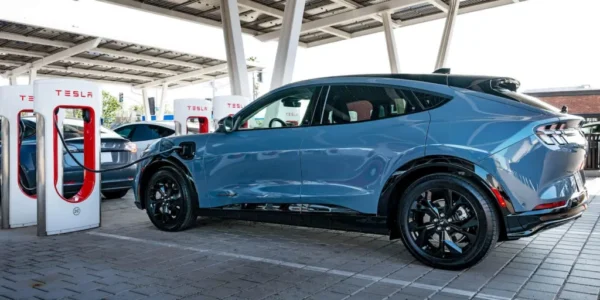
Satisfaction scores have climbed sharply. Premium EV owner satisfaction rose 101 points year-over-year to 652 on a 1,000-point scale, while mass-market EV satisfaction jumped 115 points to 511. Improvements in charging access appear to be a major driver. With broader adoption of Tesla’s NACS connector and expansion from networks like ChargePoint and Electrify America, public charging is becoming more reliable and accessible.
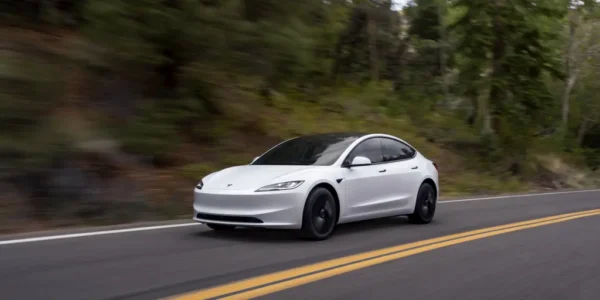
In terms of model rankings, the Tesla Model 3 led the premium segment with a score of 804, followed closely by the Tesla Model Y and BMW i4. In the mass-market category, the Ford Mustang Mach-E took the top spot, ahead of the Hyundai IONIQ 6 and Kia EV9.
Interestingly, EVs outperformed plug-in hybrids by more than 100 points in both segments, largely due to lower ownership costs and stronger driving satisfaction.
My view? The data suggests EV adoption is reaching a tipping point. As charging infrastructure improves and technology matures, satisfaction is no longer dependent on subsidies — it’s driven by experience. That may be the clearest sign yet that electrification is becoming mainstream.