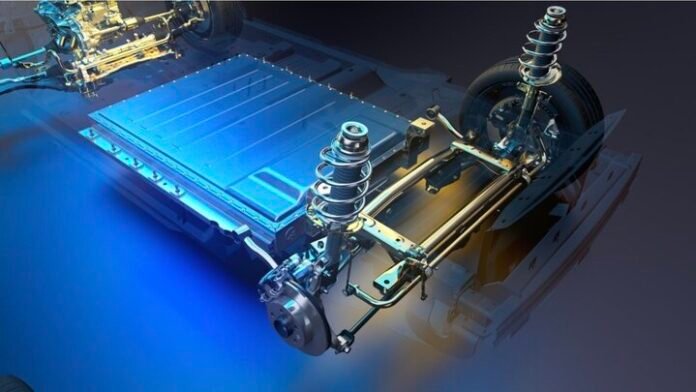
Toyota Motor Corporation is taking a different approach with the new Toyota C-HR EV. Instead of positioning it as the brand’s cheapest electric option, Toyota has made it sportier, more powerful, and — unexpectedly — slightly more expensive than the larger bZ.
Starting at $37,000, the C-HR EV costs more than the front-wheel-drive 2026 bZ XLE, which begins at $34,900. The reason is simple: the C-HR comes standard with dual-motor AWD producing 338 horsepower, delivering a brisk 0–60 mph time of 4.9 seconds. In that sense, the C-HR is less of a budget crossover and more of a compact performance EV.
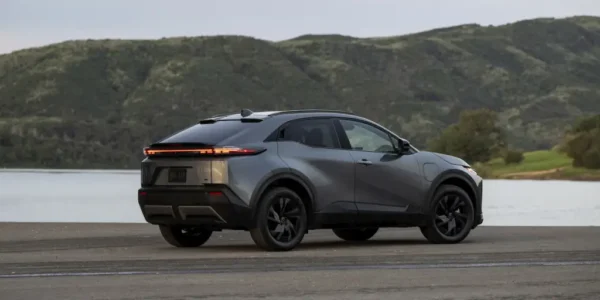
Range remains competitive. With a 74.7 kWh battery, the SE trim offers up to 287 miles of EPA range, placing it close to rivals like the Kia Niro EV and the Volvo EX30. Its coupe-like styling and 14-inch infotainment screen add a modern feel, while the built-in NACS port ensures access to Tesla’s Supercharger network — a meaningful advantage in the US and Canada.
For American buyers, especially those in snowy states, standard AWD could justify the higher entry price. In Canada, winter traction and charging access matter even more. In Australia, compact SUVs are popular in urban areas, though pricing will determine competitiveness. In Europe, where smaller EVs dominate and efficiency is prized, the C-HR’s sporty orientation may appeal to younger drivers seeking style without moving into premium territory.
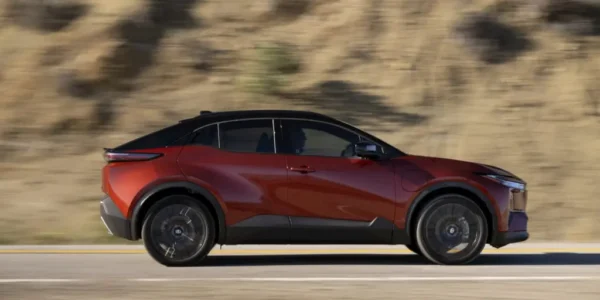
However, some buyers may question paying more for a smaller vehicle when the larger bZ offers more space for less money.
My view? The 2026 C-HR EV isn’t Toyota’s “affordable EV” — it’s a compact, performance-leaning electric crossover. For drivers who value AWD power and sharper styling, it makes sense. For pure value shoppers, the bZ may remain the smarter choice.