BYD is adding yet another layer to its rapidly expanding portfolio. The newly revealed BYD Linghui e9 marks the debut of its Linghui sub-brand — a label aimed squarely at commercial and fleet-focused mobility rather than private luxury buyers.
Positioned between mass-market EVs and premium offerings, Linghui targets ride-hailing operators, taxi fleets, and corporate or government users. The strategy is clear: offer higher perceived value and more advanced technology than entry-level models, without stepping into the full luxury territory occupied by brands like Denza or Yangwang.
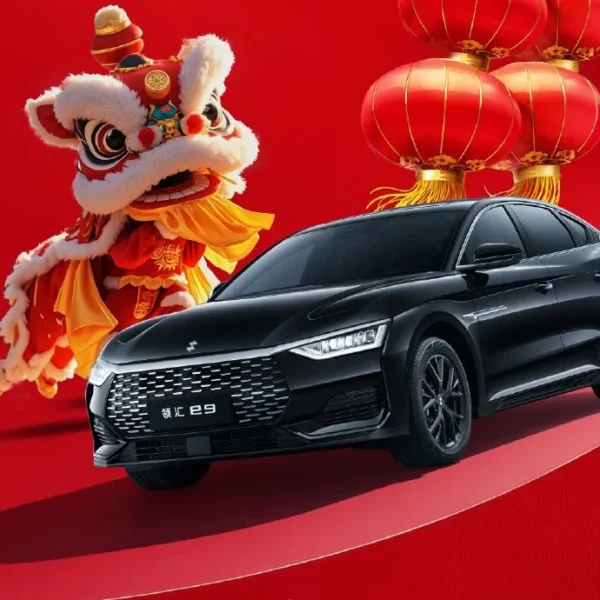
The e9 itself is based on the BYD Han platform, measuring nearly five meters in length with a generous 2,920 mm wheelbase. That puts it in direct competition with fleet favorites such as the Tesla Model 3 (in ride-hailing use) and domestic rivals like the Nio ET5 in certain markets. With battery options delivering up to 605 km (375 miles) of CLTC range, the e9 offers sufficient endurance for full-day urban operation, a critical requirement for commercial users.
Power outputs of 181 hp or 201 hp suggest balanced performance rather than outright speed — appropriate for fleet duty. BYD is also expected to integrate its DiLink connectivity system and DiSus body control technology, enhancing ride comfort and software integration, which are increasingly important even in commercial segments.
If pricing follows the logic of previous BYD fleet-oriented models, the Linghui e9 could undercut many competitors while offering superior range and technology. That combination would make it highly attractive to ride-hailing companies focused on cost efficiency and uptime.
My view? Linghui isn’t about brand prestige — it’s about scale. If BYD can deliver reliable, tech-rich sedans at competitive fleet pricing, this sub-brand could quietly strengthen its dominance in China’s commercial EV market while putting additional pressure on both domestic and foreign rivals.
Source: CarNewsChina, BYD Linghui