Chinese battery makers already dominate the global EV supply chain, controlling well over half of worldwide production. But the next competitive battleground isn’t scale — it’s chemistry. And now Changan Automobile is stepping forward with plans to begin trial deployments of its all-solid-state batteries before the end of Q3 2026.
Changan first introduced its “Golden Bell” solid-state concept in 2023, claiming an energy density of 400 Wh/kg — a significant leap over most current lithium-ion packs. On paper, that could translate into over 1,500 km of CLTC range. While CLTC numbers tend to be optimistic compared to real-world Western testing cycles, the headline figure still signals serious ambition.
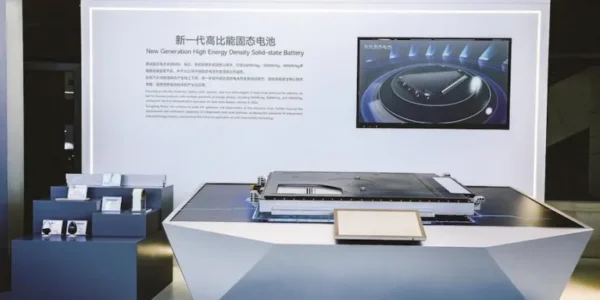
The company says it has improved safety by 70% using AI-driven diagnostics, and plans to deploy the batteries in both EVs and robotics platforms for validation. If development stays on schedule, Changan aims for limited vehicle installation in 2026 and broader mass production by 2027.
Changan isn’t alone. Fellow state-owned giants like Dongfeng Motor and SAIC Motor are also pushing solid-state timelines, while battery heavyweight CATL continues parallel development. Even globally, brands such as Toyota and Mercedes-Benz are racing toward similar targets.
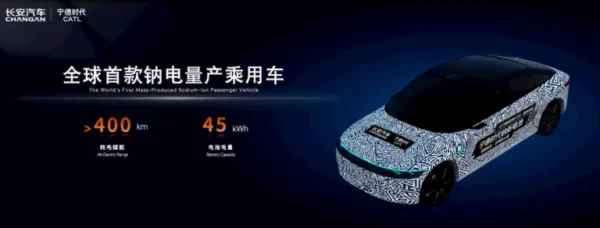
At the same time, Changan’s collaboration with CATL on sodium-ion batteries shows that the industry isn’t betting on a single chemistry. Sodium-ion may offer lower cost and better cold-weather resilience, even if energy density remains lower than lithium-based systems.
The bigger implication isn’t just longer range — it’s strategic positioning. If Chinese automakers can commercialize solid-state batteries at scale before global rivals, it could reinforce China’s already formidable lead in EV technology and supply chains.
My view? Solid-state batteries remain a promise more than a product — but the 2026–2027 window is starting to look real. Whether these timelines hold will determine who controls the next phase of the electric vehicle revolution.