The latest iSeeCars pricing data highlights a widening gap in the used EV market between Tesla and nearly every other automaker. From September 2025 to January 2026, most mainstream electric models saw noticeable price declines, while Tesla models moved decisively in the opposite direction.
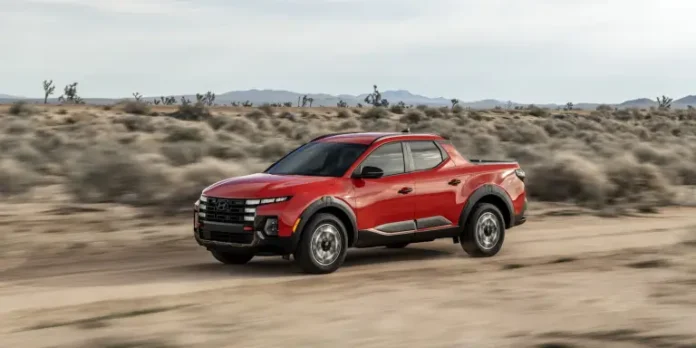
Among mass-market non-Tesla EVs, depreciation accelerated after the federal tax credit expired. The Hyundai Kona Electric fell 6.4%, dropping from $21,020 to $19,678. The Volkswagen ID.4 declined 6.2%, while the Kia Niro EV slipped 5.2%. Even the Ford Mustang Mach-E, once one of the strongest Tesla alternatives, fell 5.1%. The Nissan LEAF and Polestar 2 also posted declines of 4.6% and 1.9%, respectively.
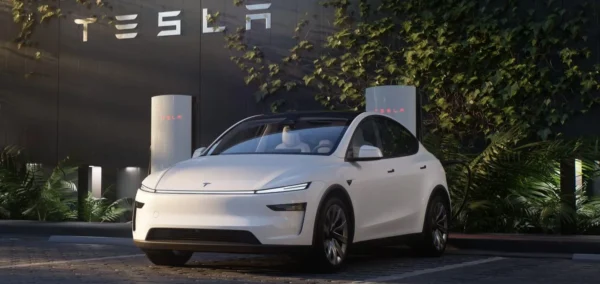
In contrast, every major Tesla model recorded gains. The Tesla Model Y rose 1.3%, and the Tesla Model 3 climbed 2.6%. More strikingly, the premium Tesla Model S surged 8.5%, and the Tesla Model X jumped 10.3%. Even the high-end Porsche Taycan reversed prior weakness with a 4.1% gain, though it remains a low-volume outlier.
At a market level, the overall “EV average” shows a 3.5% increase. However, this figure is heavily skewed by Tesla’s dominant share of used EV transactions. Strip Tesla out, and the broader market clearly trends downward.
The comparison reveals two distinct dynamics. Mainstream EVs appear more sensitive to incentive removal and pricing competition from new models. Many legacy automakers have aggressively discounted new EV inventory, which likely pressured used values. Tesla, by contrast, benefits from brand equity, software updates, charging infrastructure access, and strong consumer recognition — factors that help stabilize resale values.
| Used EV Models Pricing – iSeeCars Study | |||
| Model | Avg Price Sept. 2025 | Avg Price Jan. 2026 | % Change |
| Hyundai Kona Electric | $21,020 | $19,678 | -6.4% |
| Volkswagen ID.4 | $23,307 | $21,860 | -6.2% |
| Kia Niro EV | $21,128 | $20,024 | -5.2% |
| Ford Mustang Mach-E | $30,575 | $29,014 | -5.1% |
| Nissan LEAF | $16,360 | $15,606 | -4.6% |
| Polestar 2 | $26,006 | $25,508 | -1.9% |
| Tesla Model Y | $29,603 | $29,989 | +1.3% |
| Tesla Model 3 | $25,061 | $25,701 | +2.6% |
| EV Average | $29,637 | $30,666 | +3.5% |
| Porsche Taycan | $74,465 | $77,552 | +4.1% |
| Tesla Model S | $47,226 | $51,249 | +8.5% |
| Tesla Model X | $51,973 | $57,306 | +10.3% |
Another key difference lies in buyer perception. Tesla’s vehicles are often viewed as technology products with continuous improvement via over-the-air updates, which may support used demand. Meanwhile, competing models face faster perceived obsolescence as newer generations promise better range and efficiency.
The takeaway is clear: the used EV market is no longer moving uniformly. Instead, it’s fragmenting into a premium, brand-driven tier led by Tesla and a more price-sensitive tier occupied by traditional competitors. Whether this gap widens or narrows will depend on how effectively non-Tesla brands can rebuild demand without federal support.