BYD is preparing to unveil one of its most important vehicles yet — the new BYD Great Tang. Ahead of its official debut at BYD’s upcoming “Disruptive Technology” event on March 5, the company has released the first images of the flagship electric SUV, signaling a new step in BYD’s push into the premium large-SUV market.
The Great Tang will sit at the top of BYD’s Dynasty lineup as its first true D-segment flagship electric SUV. Even before the full specifications are revealed, regulatory filings from China’s MIIT offer a glimpse of what buyers can expect. Measuring 5,263 mm long with a 3,130 mm wheelbase, the vehicle is positioned firmly among large luxury SUVs. In terms of size, it rivals the Denza N9 and Li Auto L9, and is slightly larger than global EV competitors such as the BMW iX, Kia EV9, and Hyundai IONIQ 9.
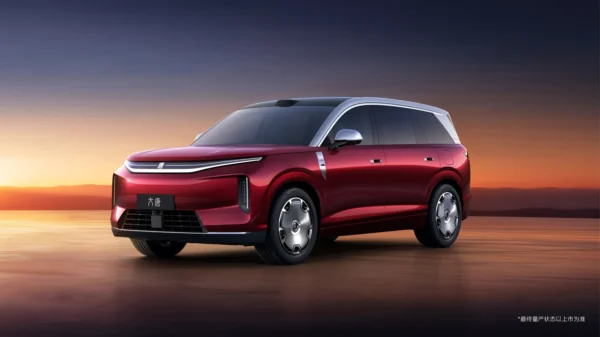
Like many vehicles in this class, the Great Tang will feature a three-row layout capable of seating up to seven passengers, making it a family-oriented luxury SUV rather than a pure performance vehicle. Still, performance appears to be a strong focus. The base single-motor configuration will offer either 300 kW (402 hp) or 370 kW (496 hp), while the dual-motor version delivers a combined output of 585 kW (784 hp). Those numbers place it well above most mainstream electric SUVs in terms of power.
Equally important is the platform underneath. The Great Tang is expected to be built on BYD’s new Super e-Platform, a 1000-volt architecture designed to support ultra-fast charging speeds of up to 1,000 kW. If these figures translate into real-world performance, the SUV could dramatically reduce charging times, addressing one of the main concerns many buyers still have about long-distance EV travel.
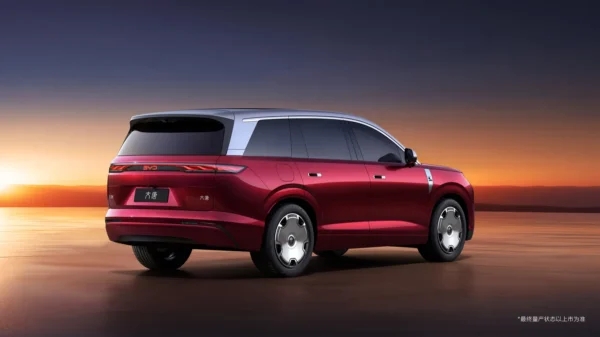
Although official range figures have not yet been confirmed, the vehicle will use lithium iron phosphate (LFP) battery technology — an area where BYD has significant expertise thanks to its Blade battery system. LFP chemistry is known for its durability, safety, and cost efficiency, although it traditionally sacrifices some energy density compared with nickel-based batteries. BYD has spent years refining this technology, and the company’s latest designs have begun to narrow that performance gap.
Pricing will also be a critical factor. Early estimates suggest the Great Tang could start above 400,000 yuan (around $58,000) in China. If confirmed, that would place it directly in competition with premium electric SUVs while still potentially undercutting many European rivals.
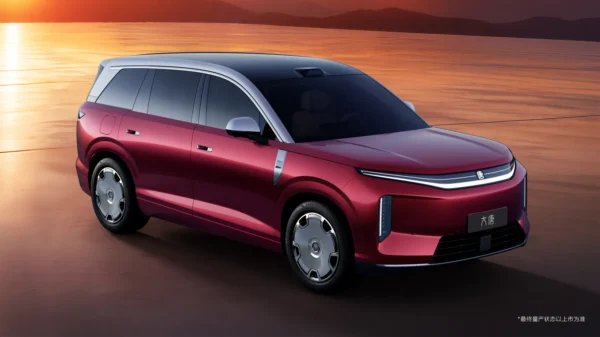
Strategically, the Great Tang reflects BYD’s broader ambition to move beyond affordable EVs and compete in higher-end segments. While brands like BMW, Hyundai, and Kia have established strong positions with vehicles such as the BMW iX, IONIQ 9, and EV9, BYD’s ability to control its own battery production and supply chain gives it a potential pricing advantage.
In my view, the Great Tang could become a key model for BYD as it attempts to elevate its brand globally. Large electric SUVs are among the fastest-growing segments in the EV market, especially in China and North America. If the vehicle delivers strong range, fast charging, and competitive pricing, it could quickly become one of the most compelling alternatives to established luxury electric SUVs.