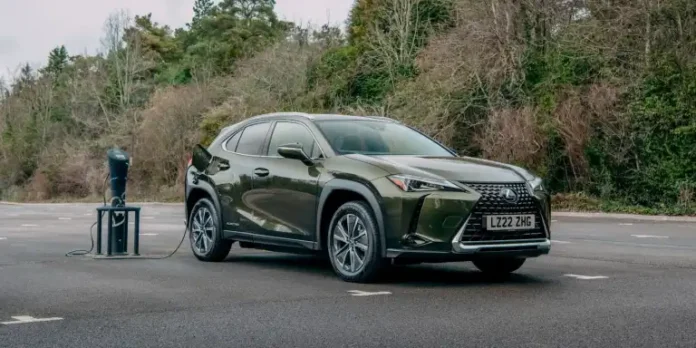
Jaguar Land Rover appears ready to expand one of its most iconic brands with a new electric model. The upcoming Defender Sport EV is expected to debut by the end of 2026 as a smaller, more affordable sibling to the legendary Land Rover Defender. Recent prototype sightings suggest that development is well underway, and the new model could become a key piece of JLR’s electrification strategy.
Visually, the Defender Sport EV appears to stay true to the rugged DNA that has defined the Defender for decades. Spy images show the familiar upright stance and boxy silhouette, paired with flared wheel arches and chunky off-road tires. However, subtle updates hint at a more modern design language, including slimmer LED headlights and a slightly revised front fascia. The result seems to strike a balance between heritage styling and contemporary EV design.

Underneath the bodywork, the new electric SUV will reportedly ride on JLR’s EMA platform, a dedicated architecture designed for next-generation electric vehicles. This platform places the battery pack flat beneath the cabin floor, improving both interior space and vehicle stability. Battery capacities are expected to range between 70 kWh and 90 kWh, which could deliver an estimated driving range of around 300 to 320 miles.
Despite its smaller footprint compared with the standard Defender, the Sport EV is expected to retain strong off-road credentials. Instant electric torque, combined with a lower center of gravity from the battery pack, could actually improve traction and control on difficult terrain. The vehicle will likely feature dual-motor all-wheel drive and advanced off-road software such as JLR’s Terrain Response system, ensuring it remains capable of tackling rough landscapes.
Inside the cabin, the Defender Sport EV will likely combine rugged practicality with modern technology. Early reports suggest larger display screens and a redesigned infotainment interface. Although the model is expected to offer two rows of seating, there are rumors of an optional center seat in the front row — a layout that echoes older Defender designs while maximizing passenger capacity.
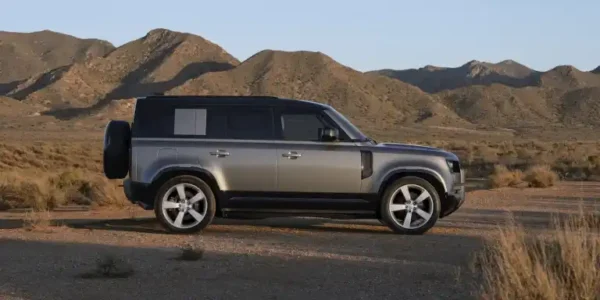
In terms of market positioning, the Defender Sport EV could arrive with a starting price between £40,000 and £50,000, making it significantly more affordable than many electric off-road SUVs currently available. This pricing could allow it to compete with vehicles such as the Jeep Recon EV and the Mercedes-Benz G580 with EQ Technology, while still sitting below the flagship electric off-roaders like the Rivian R1S and the GMC Hummer EV.
If the Defender Sport EV reaches global markets, its reception could vary depending on regional preferences. In the United States, demand for rugged SUVs remains strong, particularly among buyers interested in adventure travel and outdoor lifestyles. However, the vehicle would face stiff competition from established EV off-roaders such as the Rivian R1S.
In Europe, the smaller size and potentially lower price point could work in its favor. Urban buyers often prefer compact SUVs that still offer versatility, making the Defender Sport EV a practical alternative to larger electric SUVs.
Canada and Australia could also prove promising markets. Both countries have strong off-road cultures and expansive rural areas where vehicles with genuine off-road capability are valued. An electric Defender that combines traditional durability with modern EV technology could appeal to drivers looking for a sustainable yet capable adventure vehicle.
In my view, the Defender Sport EV represents an interesting evolution of the Defender brand. By offering a smaller, more accessible electric model, Jaguar Land Rover could introduce the Defender experience to a broader audience. If it successfully preserves the rugged identity that defines the Defender while embracing modern electric performance, the Sport EV could become one of the most distinctive electric off-road SUVs on the market.