Tesla has quietly updated the terms of its Full Self-Driving (FSD) transfer program, a move that may affect thousands of customers who recently ordered the Tesla Cybertruck Dual Motor AWD.
The change, which appeared on Tesla’s support pages without a formal announcement, shifts the eligibility requirement for transferring FSD back to an earlier rule: customers must now take delivery of their new vehicle by March 31, 2026, rather than simply placing an order by that date.
For some buyers, particularly those who ordered the newly introduced Cybertruck AWD, the updated terms create a challenge. Delivery timelines for the vehicle have already extended well beyond the March deadline in many cases, meaning some customers may no longer be able to transfer their existing FSD license to their new truck.
A Policy Change That Alters Timing
Earlier this year, Tesla had adjusted the program’s rules to allow customers to qualify for an FSD transfer as long as they placed an order before March 31. That change was widely seen as helpful for buyers ordering vehicles with longer production timelines.
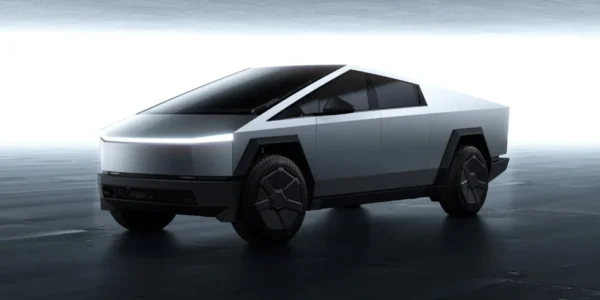
At the time, Tesla had just launched the Cybertruck Dual Motor AWD at an introductory price of $59,990. Demand quickly surged, and estimated delivery windows stretched into late 2026 and even 2027 for some buyers. Shortly afterward, Tesla raised the starting price of the model to $69,990.
Under the earlier version of the transfer policy, customers who placed an order before the deadline could still transfer their FSD license even if the vehicle arrived months later. The updated requirement, however, once again ties eligibility to the delivery date rather than the order date.
Impact on Cybertruck Buyers
The buyers most directly affected are those who already own a Tesla equipped with Full Self-Driving. Many of these customers purchased the software package years ago when it was offered as a one-time purchase that could cost up to $15,000.
For those owners, the transfer program provided a way to move that license to a newly purchased Tesla vehicle. With delivery windows now extending well past the March 2026 deadline, some Cybertruck customers may no longer be able to take advantage of the transfer opportunity.
Reports indicate Tesla may still honor transfers for buyers whose vehicles were originally scheduled for delivery before the deadline but were delayed due to production or logistics changes. However, customers whose delivery estimates were always set beyond March may have limited options.
The Evolution of Tesla’s FSD Strategy
The situation also comes as Tesla continues to reshape how it sells Full Self-Driving. In February 2026, the company ended the option to purchase FSD as a one-time license for new vehicles and moved entirely to a subscription model priced at about $99 per month.
That shift means the transfer program effectively represents the final pathway for existing owners to carry a perpetual FSD license into a new Tesla vehicle. Once the program ends, new buyers will likely only have access to the subscription-based version of the software.
Tesla originally introduced the FSD transfer offer in 2023 as a limited-time promotion, but the company has revived the program several times since then, often during periods when it is looking to encourage new vehicle orders.
A Balance Between Strategy and Customer Expectations
Tesla remains one of the most influential companies in the electric vehicle industry, with strong brand loyalty and a reputation for pushing rapid technological innovation. At the same time, software-based features like Full Self-Driving represent a new business model for the automotive sector, one that continues to evolve as companies experiment with pricing and ownership structures.
For many early Tesla adopters, the ability to transfer FSD has been an important consideration when upgrading to a new vehicle. As Tesla transitions toward a subscription-based software model, decisions like this highlight the balance automakers must strike between revenue strategies and long-term customer relationships.
In the broader picture, Tesla’s ongoing adjustments to its FSD program reflect the rapidly changing nature of software-defined vehicles — a shift that is reshaping how cars are sold, updated, and monetized across the entire automotive industry.