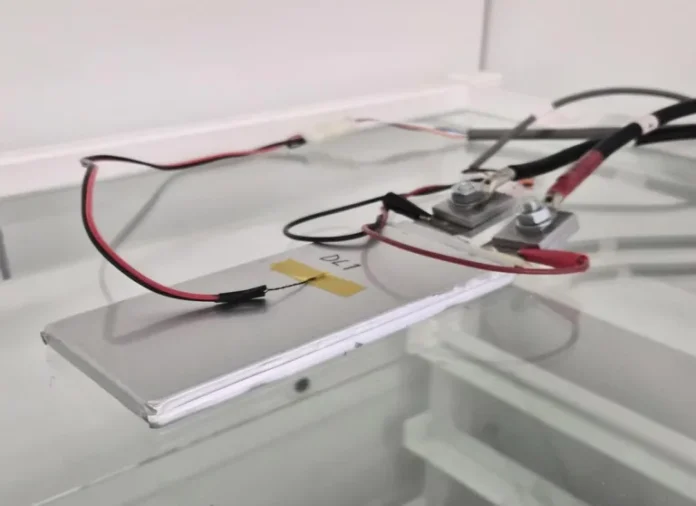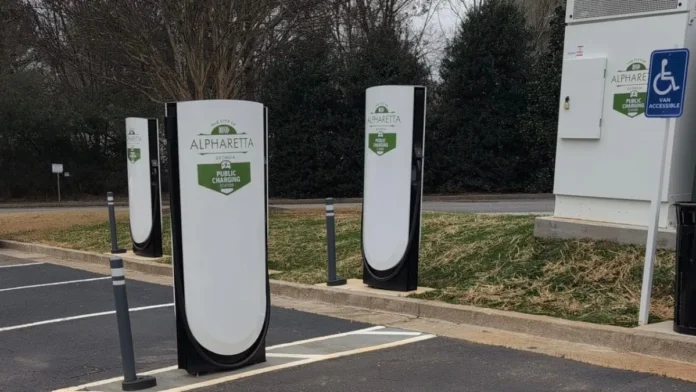
The electric vehicle industry may be approaching a turning point in charging technology. For years, one of the biggest concerns surrounding EV adoption has been charging time. Now, Chinese automakers are racing to solve that problem with megawatt-level charging systems capable of delivering power previously reserved for industrial applications.
Last week, BYD captured global attention with its new Blade Battery 2.0 and Flash Charging technology. The company claims its system can deliver up to 1,500 kW of peak charging power, allowing compatible EVs to charge from 10% to 70% in just five minutes. Even more impressively, a charge from 10% to 97% could take under nine minutes under optimal conditions. BYD also claims the system performs well in extreme cold, completing a charge in around 12 minutes at temperatures as low as –30°C.
However, BYD is not alone in pushing the boundaries of charging speed. Geely, the parent company of Volvo and several EV brands, has also been quietly building its own ultra-fast charging ecosystem. According to reports from Autohome, Geely’s charging network already spans more than 2,100 stations across 215 cities, including over 1,200 ultra-fast charging sites.
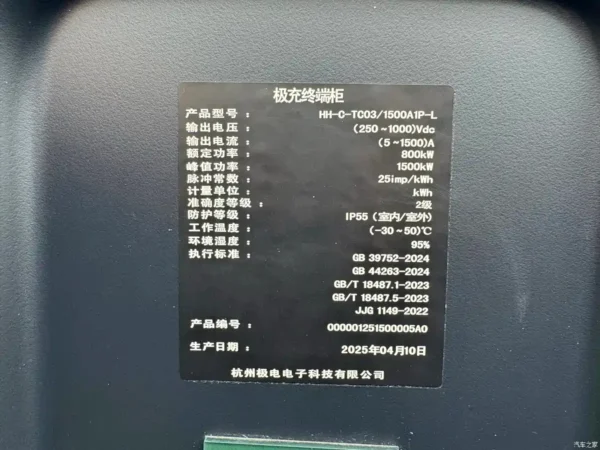
The company’s “Extreme Charge Megawatt Pile” currently delivers up to 1,300 kW through a single connector, but testing with the updated Zeekr 001 has reportedly pushed peak charging power beyond 1,500 kW. The 2026 Zeekr 001 uses a 900-volt architecture paired with a 95 kWh Golden Battery, enabling the car to recharge from 10% t
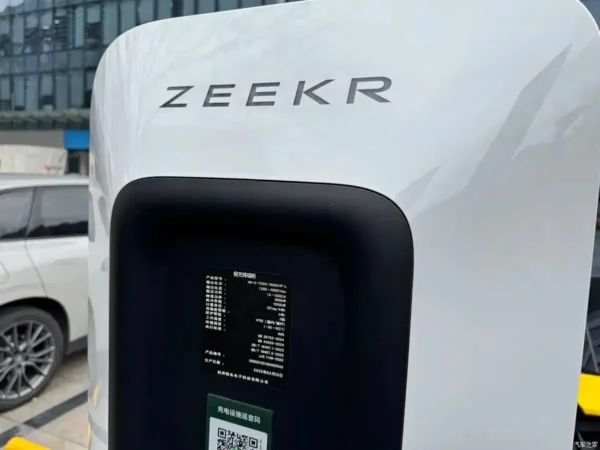
o 80% in roughly seven minutes — performance that rivals or exceeds many of the fastest charging systems currently available.
The competition between BYD and Geely highlights how quickly EV infrastructure is evolving. Only a few years ago, 350 kW charging was considered cutting-edge in Europe and North America. Now Chinese manufacturers are experimenting with systems capable of delivering more than four times that power.
This rapid progress is driven by several factors: new battery chemistries, higher-voltage vehicle architectures, improved thermal management, and advances in power electronics. Chinese automakers are also integrating their own charging networks directly into their EV ecosystems, giving them greater control over the entire user experience.
Final perspective: Ultra-fast megawatt charging could fundamentally change how drivers view electric vehicles. If charging times truly approach the convenience of gasoline refueling, one of the last psychological barriers to EV adoption may begin to disappear. The bigger question now is whether global infrastructure can evolve quickly enough to support these next-generation charging capabilities.