Tesla has taken a major step toward expanding its energy business beyond vehicles and battery storage. Through its subsidiary Tesla Energy Ventures Limited, the company has officially received a licence from Ofgem to supply electricity directly to households and businesses across England, Wales, and Scotland.
The licence, which took effect on March 11, represents the culmination of a strategy Tesla has quietly been developing in Britain for more than six years. While Tesla is widely known for electric cars, its energy division — including solar, home batteries, and grid-scale storage — has become one of the company’s fastest-growing segments.
Tesla’s long-term preparation for this moment began in 2020, when it first secured a UK electricity generation licence. At the time, the move raised questions because Tesla had not yet deployed major solar or consumer energy products in the country. However, the following years revealed a broader strategy.
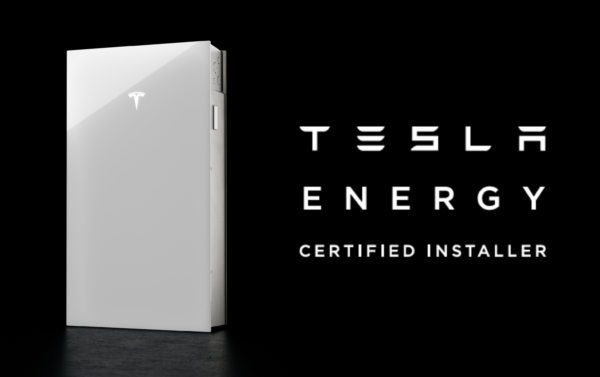
Tesla began installing large-scale Megapack battery storage systems across the UK, including the massive Pillswood project near Hull, which became Europe’s largest battery facility when it launched in 2022 with a capacity of 196 MWh. At the same time, Tesla’s Autobidder software was used to automatically trade electricity on energy markets, optimizing when energy was stored and sold back to the grid.
The company also partnered with Octopus Energy to offer the Tesla Energy Plan. This program connected Tesla Powerwall home batteries into a virtual power plant network, allowing homeowners to store electricity and sell it back to the grid during periods of high demand.
Now, with a full supply licence in place, Tesla can bypass partners and sell electricity directly to British customers. The model will likely resemble Tesla Electric, the company’s retail electricity service already operating in Texas. There, Tesla offers renewable electricity plans while integrating home batteries, electric vehicles, and software-driven grid trading.
One of the key advantages of Tesla’s model is its use of distributed energy resources. When thousands of Powerwalls are connected together, they form a virtual power plant capable of supporting the grid during peak demand. Tesla says these systems have already paid millions of dollars to participating customers through energy trading programs.
At the same time, Tesla continues investing heavily in large-scale energy infrastructure. A recently announced 1 GWh Megapack project in Scotland will store surplus wind energy that might otherwise be wasted due to transmission limits.
Despite the technological ambition, Tesla’s UK energy expansion has not been without controversy. During the licensing process, thousands of public comments were submitted opposing the application, largely linked to criticism of Elon Musk and his political activity. However, Ofgem ultimately ruled that licensing decisions must be based on regulatory compliance rather than public opinion.
Final perspective: Tesla’s entry into the UK electricity retail market reflects a broader shift in how energy systems are evolving. Companies that combine software, battery storage, and renewable energy infrastructure may increasingly compete with traditional utilities. Whether Tesla can successfully translate its Texas energy model to Britain remains to be seen, but the move signals that the company’s ambitions now extend far beyond cars.