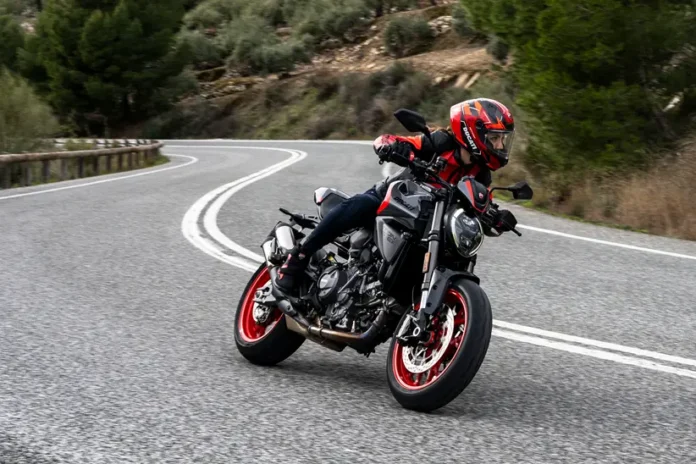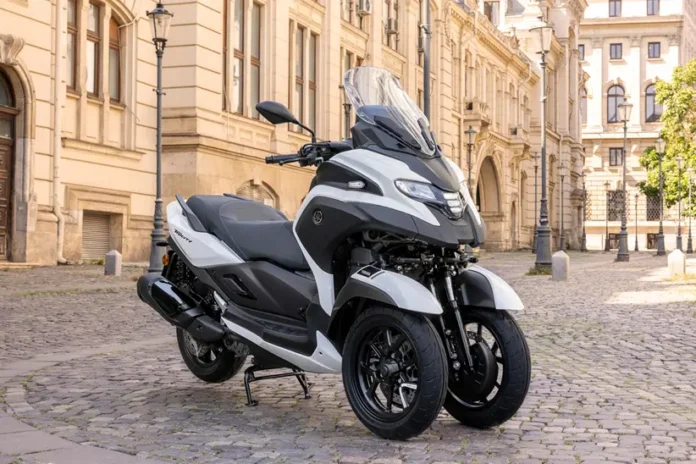
Motorcycle technology has evolved rapidly in recent years, especially when it comes to making bikes easier to ride without sacrificing control. One of the most noticeable trends is the growing number of alternatives to the traditional clutch lever and foot-operated gearshift combination. With systems like automated transmissions and semi-automatic clutches becoming more common, manufacturers are searching for ways to simplify riding for beginners while still appealing to experienced riders.
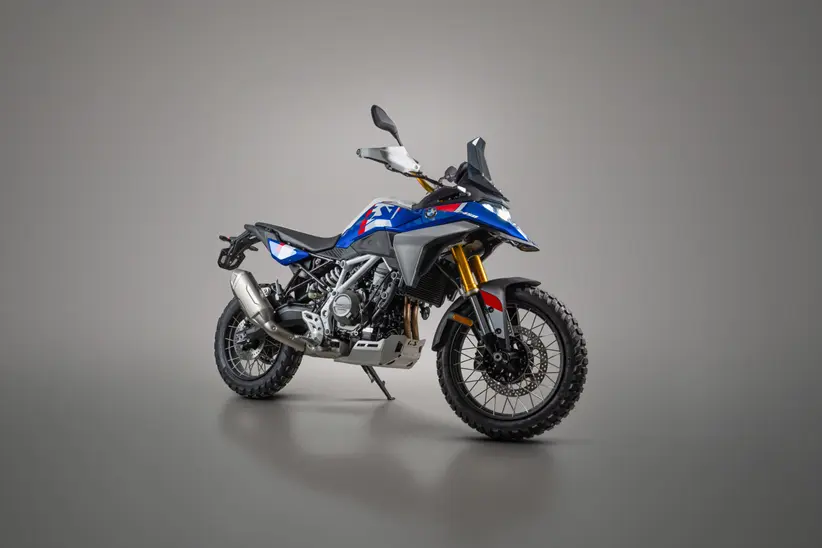
Now BMW Motorrad is joining this trend with its new Easy Ride Clutch (ERC) system, which will debut on the upcoming BMW F450GS. The technology represents a new step in partially automated clutch systems designed to make everyday riding smoother and less intimidating.
A middle ground between manual and automatic
Fully automated gearboxes have already appeared on several motorcycles. For example, Honda offers the popular DCT (Dual Clutch Transmission) system, while Yamaha introduced its Y-AMT automated manual transmission. BMW itself also has the ASA automated shifting system on some models.
However, these solutions can significantly change the riding experience and sometimes add complexity or cost. As a result, many manufacturers are experimenting with semi-automatic clutch systems that keep the familiar gear lever and clutch lever but automate clutch engagement.
Examples include Honda’s E-Clutch and MV Agusta’s Smart Clutch System (SCS), which uses a centrifugal clutch design similar to those found in aftermarket Rekluse systems popular in off-road racing.
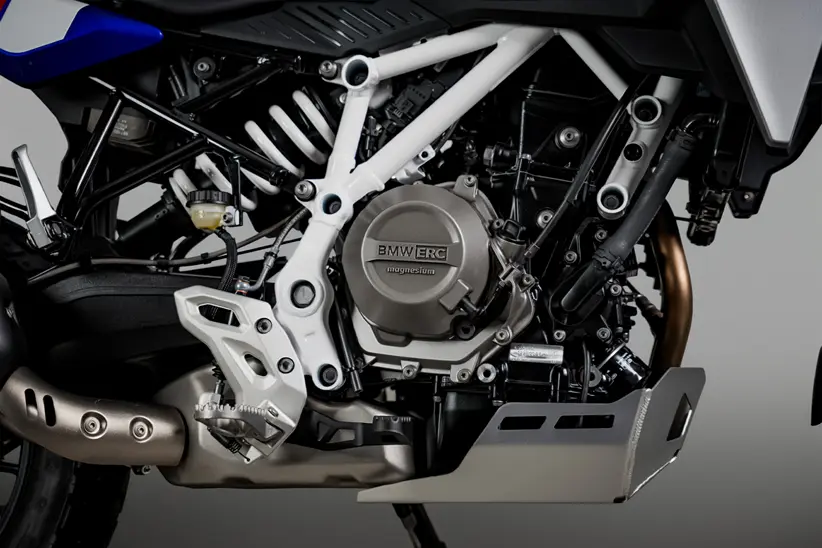
BMW’s ERC follows a similar philosophy.
How the Easy Ride Clutch works
The system is based on a centrifugal clutch mechanism developed by Japanese component manufacturer F.C.C., which has patented several elements of the design.
At its core, the system combines a traditional multi-plate clutch with an additional centrifugal component. Inside the clutch assembly is a thicker friction plate containing a set of small weights positioned in radial channels.
When engine speed increases, centrifugal force pushes the weights outward along ramp-shaped channels. As the weights move outward, they expand the friction plates and engage the clutch automatically. When engine speed drops back to idle, return springs pull the weights inward, disengaging the clutch.
The result is simple but effective: the bike cannot stall at low speeds, and riders do not need to modulate the clutch when starting or stopping.
Importantly, the traditional clutch lever remains on the handlebar. Riders can still operate the clutch manually if they prefer, giving the system flexibility for different riding styles.
Benefits for adventure riding
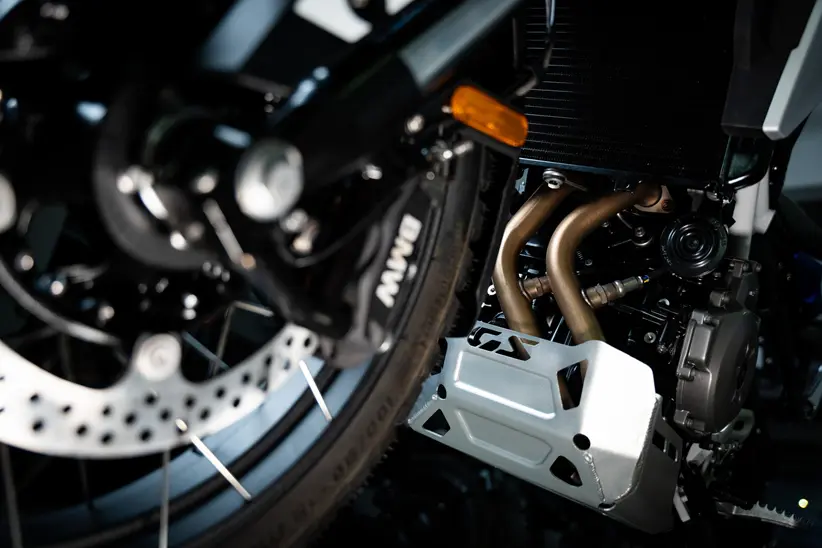
The F450GS is an adventure motorcycle aimed at riders who want a lighter and more accessible alternative to larger adventure bikes. In this context, the Easy Ride Clutch could be particularly useful.
Off-road riding often requires delicate clutch control at low speeds. By automating this process, the system could make the bike easier to handle on technical terrain or during slow maneuvers.
Combined with BMW’s Shift Assistant Pro quickshifter, the F450GS will also allow clutchless upshifts and downshifts while riding, creating a riding experience that feels almost automatic once the bike is moving.
A growing trend in motorcycle technology
The introduction of systems like ERC reflects a broader shift within the motorcycle industry. Manufacturers are increasingly focused on lowering the barrier to entry for new riders while preserving the character and engagement that experienced motorcyclists expect.
Rather than replacing manual transmissions entirely, many brands are experimenting with hybrid systems that combine automation with traditional control.
Final perspective
BMW’s Easy Ride Clutch is an interesting example of how motorcycle technology continues to evolve. By simplifying clutch operation while keeping the familiar manual controls, the system could make motorcycles more accessible without sacrificing the connection between rider and machine.
If the technology proves reliable and popular on the F450GS, it would not be surprising to see similar systems appear on more motorcycles in the future as manufacturers search for ways to balance convenience, performance, and rider engagement.