
Introduction
Last month, Japan’s auto industry leaders convened with the government to voice concerns over potential U.S. tariffs that could have significant ramifications on the importation of vehicles and parts. Among these discussions, the impact on Japanese domestic market (JDM) imports became a pivotal topic, highlighting potential economic damage.
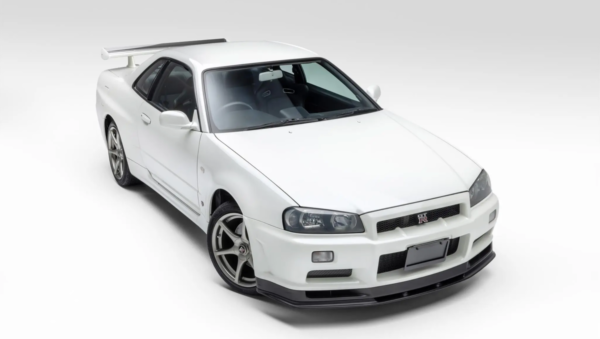
Understanding JDM Import Concerns
The impending tariffs specifically target vehicles imported from Canada and Mexico, with an alarming possibility of similar fees imposed on Japanese imports. JDM cars, which have become increasingly sought after, particularly hits hard at a time when Nissan’s iconic R34 Skyline GT-R just qualifies for importation under the 25-year rule. As demand rises amongst enthusiasts, a 25% tariff could significantly inflate the already high prices of these coveted vehicles.
The Shift in Market Dynamics
In addition to skyrocketing vehicle prices due to tariffs, shipping costs are likely to escalate as Japanese manufacturers rush to fulfill U.S. orders before the tariffs take effect. This surge may further complicate the JDM market, which is already a small segment compared to regular imports. As U.S. demand potentially decreases, there’s a possibility that JDM imports might become less expensive, easing some concerns. However, current tariffs on kei trucks are indicative of how existing costs can deter budget-savvy buyers.
Success in the JDM sector could vanish if consumers turn their attention elsewhere due to raised prices. While the current favorable dollar-to-yen relationship has made imports appealing, enthusiasts should brace for potential price adjustments as market conditions evolve. For those aspiring to acquire a piece of automotive history, now may be the time to save strategically.