
Introduction to Tire Types
When it comes to vehicles, tires are often an overlooked aspect until a flat occurs or it’s time to replace them. Understanding the key differences between summer, winter, and all-season tires can ensure you choose the right fit for your driving needs. Each type of tire has its strengths and weaknesses, making it vital to know which one suits your situation best.
All-Season Tires: Versatility at Its Best
All-season tires are often considered the most versatile option available. They perform adequately in various weather conditions, including dry, wet, and light snowy surfaces. Designed with numerous grooves and sipes, these tires manage rain and light snow effectively, making them a favorite for drivers seeking a balance between comfort and performance. With a lifespan often exceeding 50,000 miles, all-season tires usually offer a quieter ride and improved fuel economy. However, they may falter in extreme conditions where dedicated winter tires excel.
Summer Tires: Performance and Precision
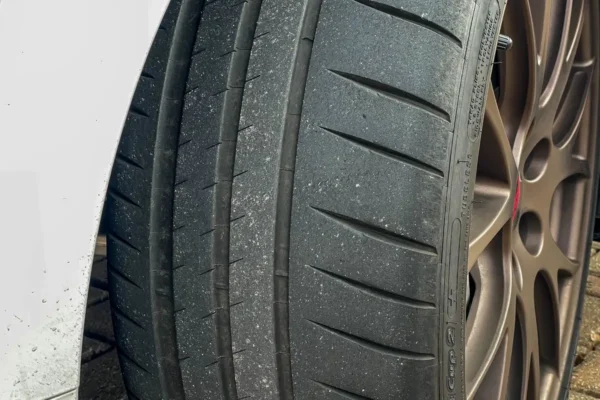
On the other hand, summer tires are engineered for hot weather, prioritizing traction and performance. With wider treads and lower profiles, these tires enhance cornering capabilities and provide shorter stopping distances. They excel in dry conditions but suffer in the colder months, as the rubber compounds lose flexibility and grip. If you own a performance vehicle, summer tires might be the original equipment of choice, delivering unmatched handling and control.
Winter Tires: The Cold Weather Champion
Winter tires, or snow tires, emerge as the champions in severe cold and snowy conditions. With deeper treads and specialized rubber compounds, they deliver exceptional traction on icy and snowy roads. Unlike summer or all-season tires, winter tires should be installed on all four wheels to maximize safety and performance. Their design ensures reliable handling when temperatures drop, making them indispensable for winter driving.
Conclusion
In conclusion, choosing the right type of tire is essential for optimal vehicle performance and safety. Understanding the differences between summer, winter, and all-season tires can help you make an informed decision tailored to your driving environment.