Introduction
Many drivers may not realize the significant impact their driving habits can have on brake rotor performance. Understanding this relationship is crucial for maintaining vehicle safety and efficiency. In this article, we will explore how frequent and heavy braking can contribute to rotor warping and vibrations when applying the brakes.
The Role of Heat in Brake Rotor Damage
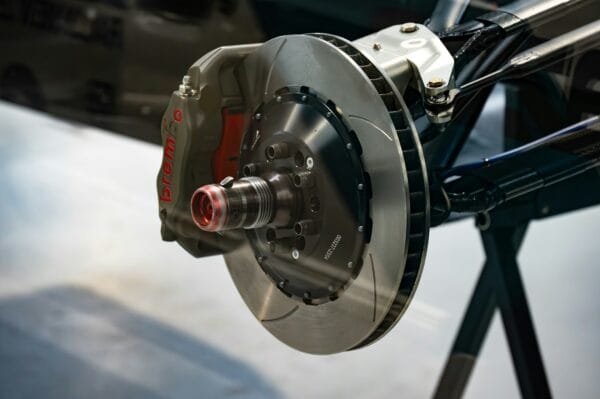
When driving in stop-and-go traffic or descending steep hills, drivers often rely heavily on their brakes. Such frequent and intensive braking generates excessive heat in the brake rotors. This heat buildup is a leading factor that can contribute to rotor warping. As brake rotors become warped, they can no longer maintain a proper surface area for contact with brake pads, leading to vibrations during braking. It is important to be aware of the causes of heat accumulation to mitigate these adverse effects.
Mitigating the Risks of Rotor Warping
To reduce the risk of rotor warping and minimize vibrations, drivers should consider employing techniques that lessen brake strain. One effective strategy is to utilize engine braking, which allows for a smoother transition when slowing down. In addition, allowing for increased stopping distance can significantly decrease the amount of heat generated. Both practices not only improve vehicle performance but also contribute to the longevity of braking components.
In conclusion, understanding how driving habits influence rotor health is essential for every driver. By adopting safer driving practices, such as minimizing heavy braking and allowing more stopping distance, you can help prevent brake rotor warping and enhance your vehicle’s braking performance.