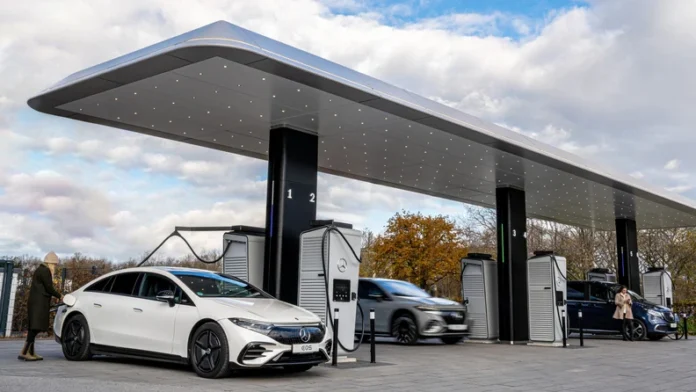
Germany’s auto industry has been at the forefront of technological advancements and environmental innovations. Recently, the German auto association VDA has emphasized the need for more stringent climate targets for fuel suppliers, stating that Germany must exceed the European Union’s guidance on fuels to achieve its 2045 goal of climate-neutral road traffic.
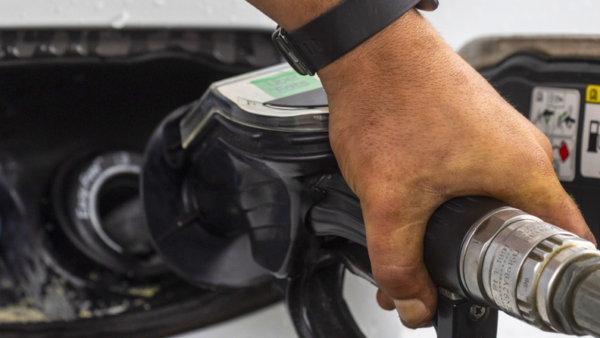
The VDA’s Standpoint
The Verband der Automobilindustrie (VDA), Germany’s leading auto industry association, has called for stricter regulations for fuel suppliers in an effort to meet Germany’s ambitious climate targets. The VDA argues that without enhanced measures, it will be challenging to reach the 2045 climate-neutral road traffic goal. The association believes that while the EU guidelines are a step in the right direction, Germany needs to adopt even more rigorous standards to ensure success.
Why Stricter Targets are Necessary
One of the key reasons for advocating stricter targets is the significant contribution of road traffic to greenhouse gas emissions in Germany. To transform road traffic into a climate-neutral sector, it is essential to address the carbon intensity of fuels. The VDA suggests that only through stricter measures can Germany support a sustainable and eco-friendly future, ensuring a robust transformation of the entire mobility sector.
Implementation Strategies
VDA proposes several strategies for realizing stricter climate targets, which include promoting the production of low-carbon fuels, encouraging innovation in fuel technologies, and setting up a more rigorous regulatory framework for fuel suppliers. These initiatives are seen as crucial steps towards drastically reducing the carbon footprint of road traffic in Germany.
Conclusion
Germany’s auto industry, represented by the VDA, underscores the urgency of implementing more stringent climate targets for fuel suppliers. To achieve the 2045 climate-neutral road traffic goal, Germany must not only adhere to but exceed the European Union’s guidelines on fuels. By doing so, the country can set a benchmark for sustainable mobility and lead the way in combating climate change.