Introduction
As electric vehicles (EVs) become more mainstream, the most common question among first-time buyers isn’t “Which car should I get?” but rather “How will I charge it?” From Level 1 trickle charging to ultra-fast DC stations, the EV charging landscape can feel overwhelming. This guide breaks it down simply, so you know exactly what to expect—whether you’re charging at home, at work, or on the road.

1. The Three Levels of EV Charging
-
Level 1 – Standard Outlet (120V)
This is the slowest type of charging and works with a regular home outlet. It adds about 3–5 miles of range per hour. Best for plug-in hybrids or very short daily commutes. -
Level 2 – Home or Public Charging (240V)
Much faster: adds 20–40 miles of range per hour. Most home chargers and public chargers fall under this category. A popular choice for overnight charging. -
Level 3 – DC Fast Charging (480V+)
Adds 100–200+ miles of range in 20–40 minutes. Found along highways and urban charging hubs. Not all EVs can accept Level 3 speeds, so check your model’s capabilities.
2. Charging at Home: Convenience Meets Cost
-
Installation:
Level 2 home chargers typically require a 240V outlet and professional installation, which can cost between 0–,000 including labor. -
Smart Features:
Modern home chargers come with Wi-Fi, app control, and scheduled charging to take advantage of off-peak rates. -
Energy Cost:
Charging at home usually costs less than public stations—around $0.10–$0.20 per kWh, depending on your utility provider.
3. Public Charging Networks: Where and How to Use Them
-
Major Providers in 2024:
-
Tesla Supercharger (now open to non-Tesla EVs with adapters)
-
Electrify America
-
EVgo
-
ChargePoint
-
Shell Recharge, Blink, and others
-
-
How to Access:
Most networks require a mobile app or RFID card. Some support plug-and-charge (especially newer EVs), where billing happens automatically. -
Cost Structure:
Some networks charge by the kWh; others by time. Rates vary—typically $0.30–$0.60 per kWh for fast charging.
4. Connector Types: CCS, CHAdeMO, NACS & More
-
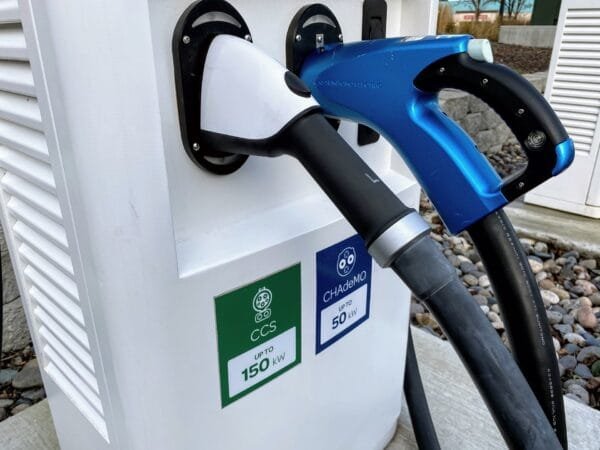
CCS (Combined Charging System): Standard in North America and Europe for fast charging.
-
CHAdeMO: Mostly used by older Nissan and Mitsubishi EVs.
-
NACS (Tesla plug): Becoming a new North American standard; many automakers are adopting it.
-
Adapters: Available for cross-compatibility, especially for Tesla to CCS or vice versa.
5. Planning Long Trips with an EV
-
Route Planning Tools:
Apps like A Better Route Planner (ABRP), PlugShare, or Google Maps (with EV settings) help you find chargers along your route. -
State of Charge (SOC):
Plan to stop when your battery reaches ~10–20%, and try to charge up to ~80% to maximize speed and minimize wait times. -
Charging Etiquette:
Move your car after charging is complete. Don’t hog fast chargers unless you’re actively charging.
6. Incentives & Rebates
-
Federal Tax Credit:
U.S. residents may be eligible for up to ,000 in tax credits for installing a home EV charger. -
State and Utility Rebates:
Many states and local utility companies offer additional rebates or discounts on equipment and installation.
7. Future Trends in EV Charging (2024 and Beyond)
-
Wireless Charging: Pilot programs are underway in cities like Detroit and Oslo.
-
Vehicle-to-Grid (V2G): Some EVs can return energy to the grid or power your home during outages.
-
Charging Speed Improvements: 350kW+ chargers are becoming more common, and battery technology continues to reduce charge times.
Conclusion
EV charging no longer has to be a mystery. With better infrastructure, faster technology, and clearer standards, charging your car can be as easy as charging your phone. Whether you’re driving to work or road-tripping across the country, this guide equips you with everything you need to plug in with confidence.