Renault’s Bold Move into LFP Territory
In a delightful turn of events, French car brand Renault is shaking things up in the electric vehicle (EV) market with their new lithium-iron phosphate (LFP) battery technology. This new tech aims to slash production costs by a staggering 40%, allowing Renault to roll out coveted EVs with a sub-€20,000 price tag that won’t break the bank—or your heart. This innovation is a big deal, especially since it comes on the heels of a wave of budget-friendly LFP-powered offerings from Chinese automakers flooding the European market.
The Shift from Stigma to Strategy
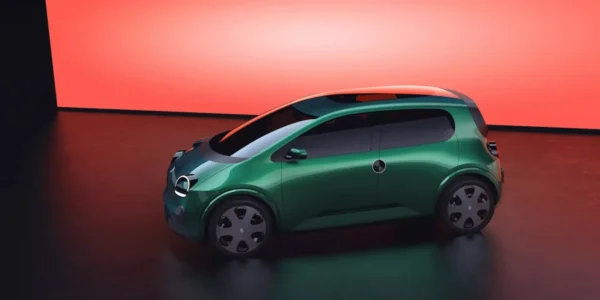
For years, LFP batteries were seen as the awkward cousin at family gatherings—less desirable than their sleek lithium-ion NMC counterparts. However, as global mineral prices do the cha-cha, Renault is stepping in to change the narrative. By embracing LFP technology, they’re not just catching up; they’re turning heads and changing the game. With the launch of the revamped R5 e-tech and a new Twingo on the horizon, it’s clear that Renault’s strategy revolves around making EVs more accessible to the masses.
Demystifying the Electric Future
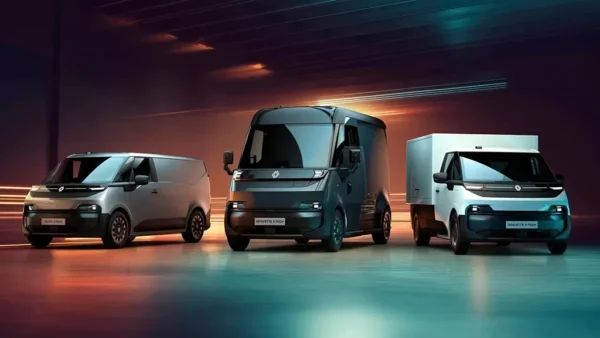
As Renault’s CEO Luca de Meo states, this isn’t just about remedying a tech gap; it’s about ushering in a new era of affordability and sustainability. The Ampere sub-brand is Renault’s secret weapon in this quest, promising to enhance software-defined vehicles and streamline EV manufacturing. The electric future looks bright and more affordable, especially if you have your eyes set on the new Twingo, poised to hit the market soon at an enticing price point of around €17,000. Let’s be honest, who could say no to a chic French ride that offers both style and savings?