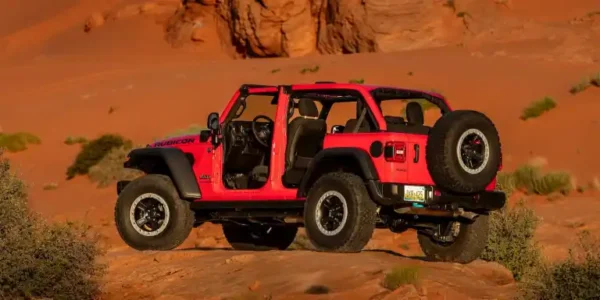
Stellantis has confirmed it will phase out all plug-in hybrid (PHEV) programs in North America starting with the 2026 model year—a decision that brings an abrupt end to the Jeep Wrangler 4xe, once the best-selling PHEV in the US for three consecutive years after its 2021 launch. The move also affects the Jeep Grand Cherokee 4xe and Chrysler Pacifica PHEV.
A Stellantis spokesperson told CarBuzz that shifting customer demand is driving the change, with the group choosing to “focus on more competitive electrified solutions, including hybrid and range-extended vehicles (EREV).”
Why Kill a Best-Seller?
On the surface, cancelling the Wrangler 4xe looks counterintuitive. It sold strongly and served as a practical bridge for buyers hesitant to go fully electric. But the decision reflects a broader recalibration underway across the US market. With the $7,500 federal EV tax credit expiring at the end of September, the economics that once favored PHEVs have weakened. PHEVs are complex to engineer—essentially combining two powertrains—while increasingly facing regulatory and consumer scrutiny over real-world electric usage.
For Stellantis, which has struggled to achieve scale and profitability in electrification in North America, simplifying the lineup may reduce costs and development risk. Moving to conventional hybrids and EREVs allows longer electric driving without the charging dependence that has proven challenging for many US buyers.
Ripple Effects on Full EVs
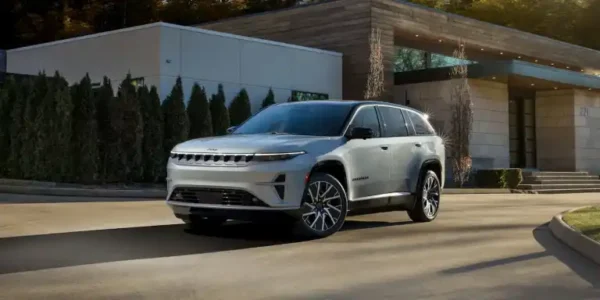
The PHEV retreat also raises questions about Stellantis’ all-electric ambitions. The Jeep Wagoneer S remains listed as a 2025 model, though Stellantis would only confirm that 2026 orders can still be placed through dealers. With just 10,864 units sold last year, its future appears uncertain.
Jeep’s upcoming Jeep Recon EV—a trail-rated, Wrangler-inspired EV with removable doors—remains on the roadmap at a $65,000 starting price. Yet the earlier cancellation of the Ram 1500 REV underscores how quickly priorities are shifting within the group.
Industry Context
Stellantis is not alone. Ford has also pivoted toward EREVs, ending current F-150 Lightning production ahead of a range-extended successor planned for 2027. The common thread is caution: manufacturers are responding to softer EV demand, higher costs, and reduced incentives by backing technologies perceived as lower-risk in the short term.
Perspective
The end of the Wrangler 4xe marks more than the loss of a popular model—it signals Stellantis’ retreat from the middle ground between combustion and full EVs in the US. While hybrids and EREVs may offer a safer commercial path today, the move leaves a gap for buyers who saw PHEVs as the most practical transition technology. Whether this reset strengthens Stellantis’ long-term electrification strategy—or delays its ability to compete as the market evolves—will become clearer as policy, infrastructure, and consumer confidence continue to shift.