
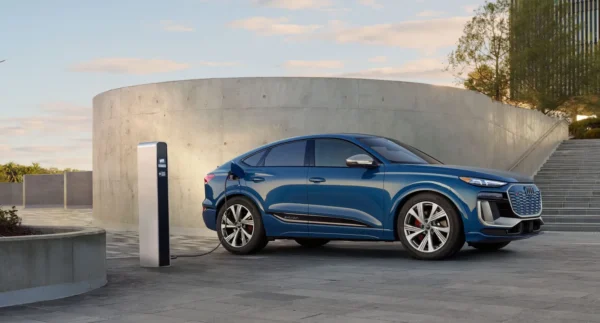
For the 2027 model year, Audi is quietly admitting something many drivers have been saying for years: technology only matters if it actually makes driving better. The latest updates to the A6 e-tron and Q6 e-tron focus less on flashy innovation and more on usability, feel, and real-world driving enjoyment.
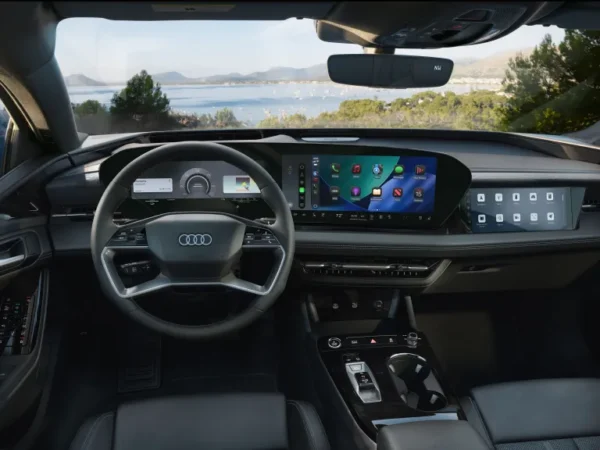
The headline change is refreshingly simple. Physical controls are back. Audi has replaced several touch-sensitive steering wheel surfaces with proper buttons and scroll wheels, making key functions easier and safer to use while driving. It’s a clear step away from the “everything-on-a-screen” trend—and one that many owners will welcome.
Inside, the refreshed user interface adopts a cleaner layout with fewer icons and clearer structure. The digital cockpit now offers three display modes, allowing drivers to prioritize classic instruments, navigation, or driver assistance depending on the situation. It’s not revolutionary, but it’s thoughtful.
On the dynamic side, Audi is finally letting its electric cars loosen up. The new dynamic plus mode on the S6 e-tron enables controlled oversteer and drift-capable behavior while maintaining safety systems in the background. It’s a subtle but important message: EVs don’t have to be sterile.
Efficiency also improves with enhanced regenerative braking that allows the car to slow to a complete stop without engaging the friction brakes, recovering more energy and making urban driving smoother.
Add smarter driver assistance, better parking automation, and an upgraded voice assistant with natural-language AI, and the update feels cohesive rather than bloated.
Final take: This isn’t Audi chasing trends—it’s Audi correcting course. By putting human experience back ahead of digital obsession, these updates make the A6 e-tron and Q6 e-tron feel less like tech demos and more like cars again.