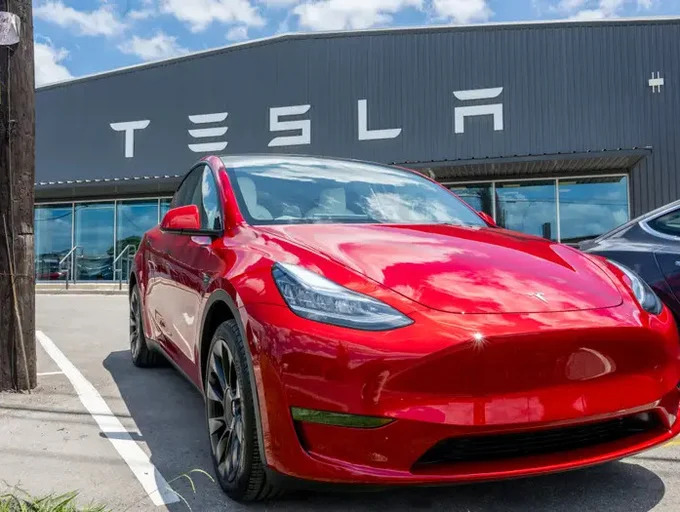
The Nissan Rogue has long been Nissan’s backbone in the U.S., with nearly 218,000 units sold last year. But cracks are showing. Sales slid 11% versus 2024, and the reason is telling: buyers are migrating to more efficient rivals like the Toyota RAV4, Mitsubishi Outlander, and Hyundai Tucson—all available as plug-in hybrids.
For 2026, Nissan finally has an answer. The Rogue Plug-in Hybrid becomes the brand’s first PHEV for the U.S., signaling a long-overdue shift from pure gasoline dependence. Under the hood is a new Nissan-developed PHEV system pairing dual electric motors, a 20 kWh battery, and a 2.4-liter gasoline engine. The result: 38 miles of electric-only range and up to 420 miles total, with an estimated 64 MPGe.
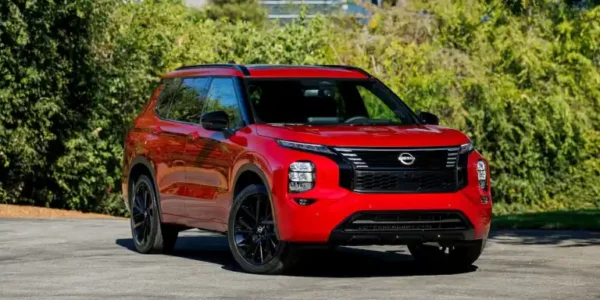
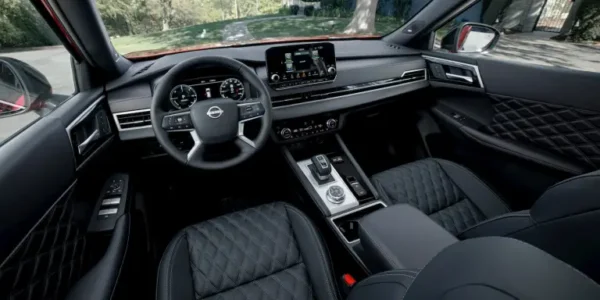
That electric range puts the Rogue PHEV right in the competitive sweet spot. It’s comparable to the RAV4 PHEV for daily commuting and edges out the Tucson PHEV on battery size. Where Nissan leans in is comfort and interior tech: even base trims get a 12.3-inch digital cluster and 9-inch infotainment screen, while the Platinum adds a 10-inch head-up display, panoramic roof, heated second-row seats, and ambient lighting.
Pricing, however, is where things get tricky. Starting at $45,990, the Rogue PHEV undercuts some premium competitors but lands slightly above the RAV4 and Tucson PHEVs. Nissan is clearly betting that cabin space—up to seven seats and 64.7 cubic feet of cargo—will justify the premium.
Market fit varies by region:
United States: Strong appeal for suburban families wanting EV commuting without charging anxiety.
Canada: Even better fit, thanks to cold-weather practicality and PHEV incentives.
Australia: More limited appeal unless pricing drops, given weaker PHEV demand.
Europe: Less competitive, where smaller SUVs and full EVs dominate.
Final take: The Rogue PHEV won’t redefine the segment, but it finally plugs Nissan’s biggest gap. If reliability and pricing hold, it could be the model that stops buyers from drifting—and starts bringing them back.