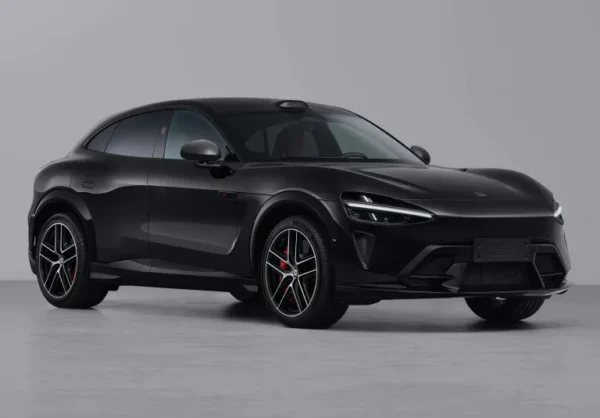
Xiaomi has just filed the YU7 GT with China’s Ministry of Industry and Information Technology, and the numbers are impossible to ignore. This isn’t a cosmetic trim or a mild performance tweak. With 990 horsepower, a 300 km/h (186 mph) top speed, and a full widebody conversion, the YU7 GT is shaping up to be one of the fastest electric SUVs ever homologated.
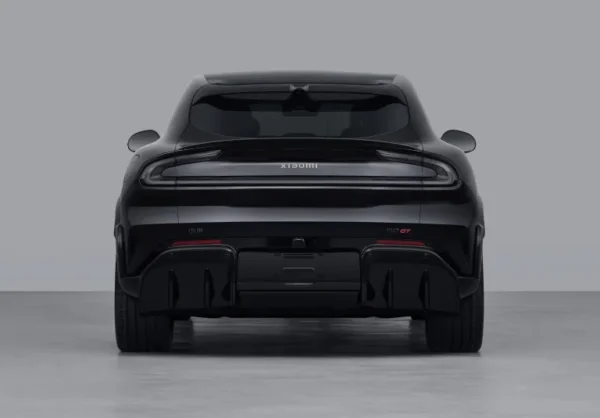
Power comes from a dual-motor setup delivering 738 kW combined—far beyond the already-quick YU7 Max. On paper, that puts the GT into territory usually reserved for vehicles like the Tesla Model X Plaid or Lamborghini Urus SE, but at a price point expected between $60,000–$70,000. That value proposition alone explains why global brands are watching China so closely.
Crucially, this isn’t just a straight-line hero. The MIIT filing reveals meaningful hardware changes: wider track, staggered 21-inch wheels, upgraded brakes, a large rear diffuser, and GT-specific bodywork. Combined with a CATL ternary lithium battery, the YU7 GT looks engineered to sustain performance—not just advertise it.
Compared with its segment rivals, Xiaomi’s approach feels aggressive but calculated. Against the Model X Plaid, the YU7 GT trades brand cachet for design drama and price advantage. Against European performance SUVs, it undercuts them massively while matching or exceeding raw output. And unlike some luxury EVs, Xiaomi appears comfortable building variants that push limits rather than soften them.
Would it work outside China?
United States: Performance appetite is there, but regulatory hurdles, brand unfamiliarity, and charging ecosystem integration remain barriers.
Canada: The value proposition and winter EV adoption could work—if Xiaomi ever enters officially.
Europe: Germany and Scandinavia would appreciate the engineering, but 300 km/h capability is mostly symbolic.
Australia: Strong fit culturally—big, fast SUVs sell well—but infrastructure and brand presence are key challenges.
What’s most remarkable is timing. Xiaomi only began delivering cars in 2024, yet the YU7 already dominates sales—and now it’s spawning extreme performance derivatives. That’s not normal industry behavior.
Final take: The YU7 GT isn’t about practicality or global volume. It’s a statement car. Xiaomi is signaling that it doesn’t intend to climb the automotive ladder slowly—it plans to leapfrog straight into the high-performance conversation. Whether the rest of the world is ready or not may be secondary.