
The next phase of electric vehicle battery technology is starting to take shape — and sodium-ion batteries are quickly moving from theory to real-world deployment. After several announcements from major Chinese manufacturers, the technology is now approaching mass production for passenger EVs, with performance figures that are beginning to rival established lithium-based systems.
The latest update comes from Beijing Automotive Group (BAIC), adding momentum to a growing industry shift led by companies like CATL and BYD.
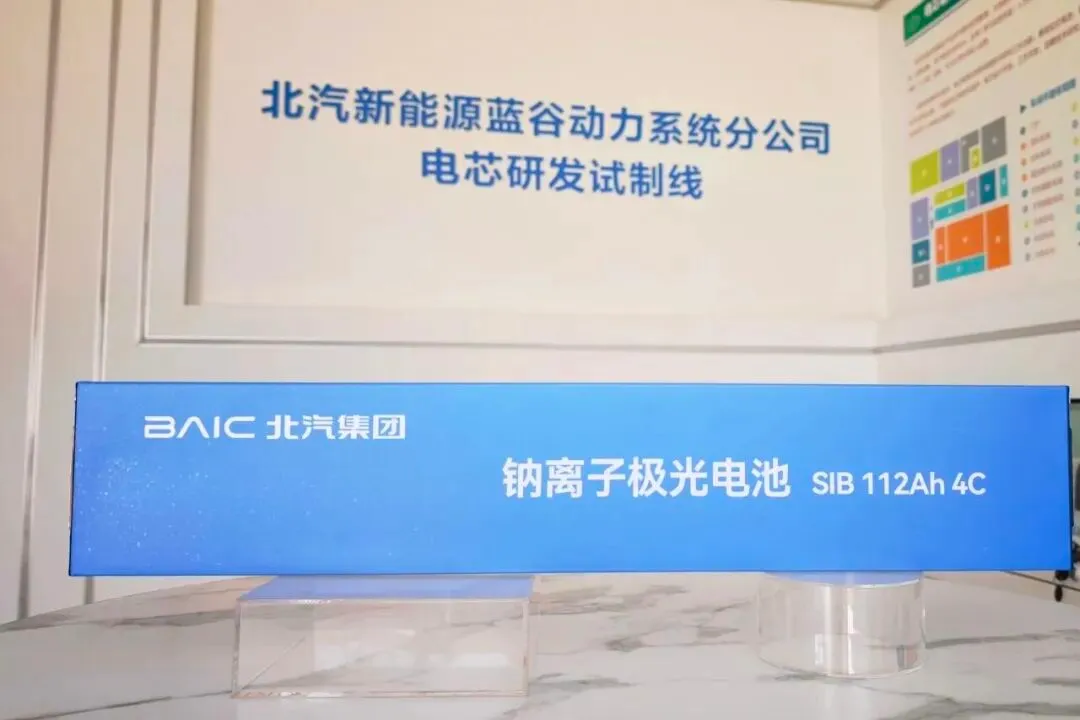
BAIC’s Breakthrough: From Prototype to Production Path
BAIC has confirmed it has successfully developed its first sodium-ion battery prototype under its Aurora battery program, which includes lithium-ion, solid-state, and now sodium-ion technologies.
Key specifications:
- Energy density: 170+ Wh/kg
- Battery type: prismatic cells
- Range: up to 450 km (CLTC)
- Charging: 4C ultra-fast (full charge ~11 minutes)
What stands out here is not just the raw numbers, but the fact that BAIC has already established a mass-production method for these batteries — a critical step toward commercialization.
Temperature Performance: A Real-World Advantage
One of the biggest limitations of current EV batteries is performance in extreme temperatures. Sodium-ion appears to address this directly.
BAIC claims:
- Operating range: -40°C to 60°C
- Energy retention: over 92% at -20°C
From a practical standpoint, this could be a major breakthrough, especially in colder regions where EV range and charging speed typically drop significantly.
CATL and Industry Momentum
BAIC is not alone. Just weeks earlier, CATL introduced its sodium-ion battery system in a production-ready vehicle.
Highlights from CATL’s “Naxtra” system:
- Energy density: up to 175 Wh/kg
- Battery size: 45 kWh pack
- Range: around 400 km (CLTC)
- Future target: 500–600 km
These numbers place sodium-ion batteries close to LFP (lithium iron phosphate) batteries, which currently dominate the affordable EV segment.
Technical Perspective: Where Sodium-Ion Fits
From a technical standpoint, sodium-ion batteries offer a different set of trade-offs compared to lithium-based chemistries.
Strengths:
- Lower material cost (sodium is abundant)
- Less exposure to lithium price volatility
- Better cold-weather performance
- Improved safety and thermal stability
Limitations:
- Lower energy density than high-end lithium batteries (NMC)
- Slightly shorter range in current form
- Still early in large-scale deployment
In simple terms, sodium-ion is not trying to replace premium EV batteries — it is targeting cost-sensitive, high-volume segments.
Market Impact: Why This Matters Now
The timing of this breakthrough is important.
- Lithium prices have been volatile
- EV demand is expanding into lower price segments
- Governments are pushing for broader adoption
Sodium-ion batteries offer a way to:
- Reduce EV costs
- Improve supply chain stability
- Expand access to electric mobility
Global shipment data reflects this momentum:
- 9 GWh shipped last year
- 150% year-over-year growth
- Projected to exceed 1,000 GWh within four years
That kind of growth suggests the industry is taking this technology seriously.
Personal Take: Not Flashy, But Highly Practical
From my perspective, sodium-ion batteries may not grab headlines like solid-state technology, but they could have a bigger real-world impact in the near term.
Most EV buyers don’t need extreme range or performance — they need:
- Affordable pricing
- Reliable daily range
- Consistent performance in all conditions
Sodium-ion aligns well with those priorities.
Final Verdict: A Practical Breakthrough That Could Reshape Entry-Level EVs
Sodium-ion batteries are no longer experimental. With companies like BAIC and CATL pushing toward mass production, the technology is becoming commercially viable.
While it may not replace lithium-ion batteries entirely, it is well positioned to become a key pillar of the EV ecosystem, particularly in affordable vehicles.
Clear opinion:
Sodium-ion is not the most advanced battery technology, but it may be the most important for scaling EV adoption. If current progress continues, it could significantly lower costs and make electric vehicles accessible to a much broader audience in the next few years.


