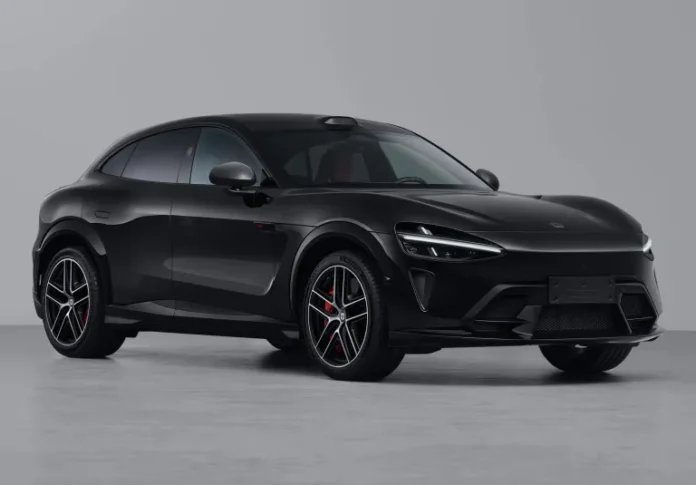
In just a decade, Genesis has grown at a pace few luxury marques can match. What began as Hyundai’s premium offshoot is now preparing for its most decisive move yet: a dedicated Genesis-only vehicle platform, set to arrive in 2027. And this time, the goal is clear—separation, not association.
Until now, Genesis has relied heavily on group architectures. The GV60, its first purpose-built EV, rides on Hyundai’s E-GMP platform, while much of the rest of the lineup shares underpinnings with Hyundai and Kia. That strategy made sense during Genesis’s rapid growth phase. But as the brand matures, that shared DNA has become a quiet limitation.
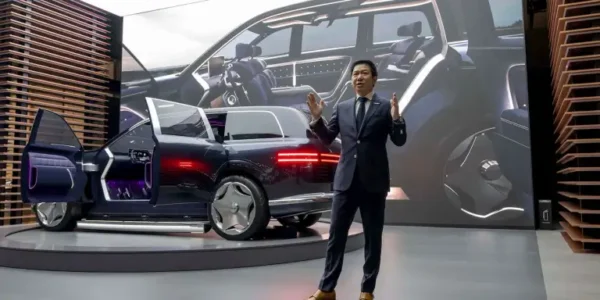
According to Genesis Europe chief Peter Kronschnabl, the upcoming platform is about delivering “premium driving dynamics” that truly reflect the brand’s identity. In other words, Genesis wants to stop being measured as “the nicest Hyundai” and start being evaluated alongside BMW, Mercedes-Benz, and Lexus—on feel, refinement, and character.
The timing matters. Genesis has adjusted its all-electric ambitions, adding hybrids and extended-range EVs to its roadmap. The new platform will support EVs, hybrids, and EREVs, giving Genesis flexibility as market demand evolves. That flexibility is backed by Hyundai Motor Group’s deep vertical integration—something European CEO Xavier Martinet openly describes as a competitive advantage that allows for bold, but calculated, decisions.
What’s most interesting is where this platform may debut. Genesis’s recent concepts—the Neolun full-size SUV and the X Gran Equator off-road concept—point toward larger, more expressive vehicles. Add in the brand’s new Magma performance sub-brand and upcoming updates to the G70, G80, GV80, and G90, and it’s clear Genesis is widening its ambition at both ends of the spectrum.
The production Neolun-derived GV90 is expected soon, while an off-road luxury SUV is slated for 2027. Either could become the first true Genesis-platform vehicle.
Final take: A dedicated platform won’t instantly make Genesis a top-tier luxury brand—but it removes the last big excuse. From 2027 onward, Genesis won’t be able to hide behind shared architecture. If the driving experience delivers, the brand’s next decade could be even more disruptive than its first.