
If you’re planning long drives—whether it’s a weekend getaway or a cross-country trip—a dash cam stops being a “nice to have” and starts feeling essential. It’s not just about recording accidents anymore. A good car camera can capture key moments, provide peace of mind, and even help resolve disputes when things go wrong.
But not all dash cams are built for long road trips. And the differences only show up after hours behind the wheel.
Why Long Trips Change What You Need
On short commutes, almost any dash cam will do the job. But on long drives, small weaknesses become obvious—overheating, storage issues, unreliable recording, or poor night performance.
That’s why resolution alone (like 4K) isn’t the full story.
What actually matters is consistency. You want a camera that records continuously, handles heat inside a parked car, and doesn’t fail when you need it most. Features like loop recording, reliable power management, and stable mounting matter more than flashy specs.
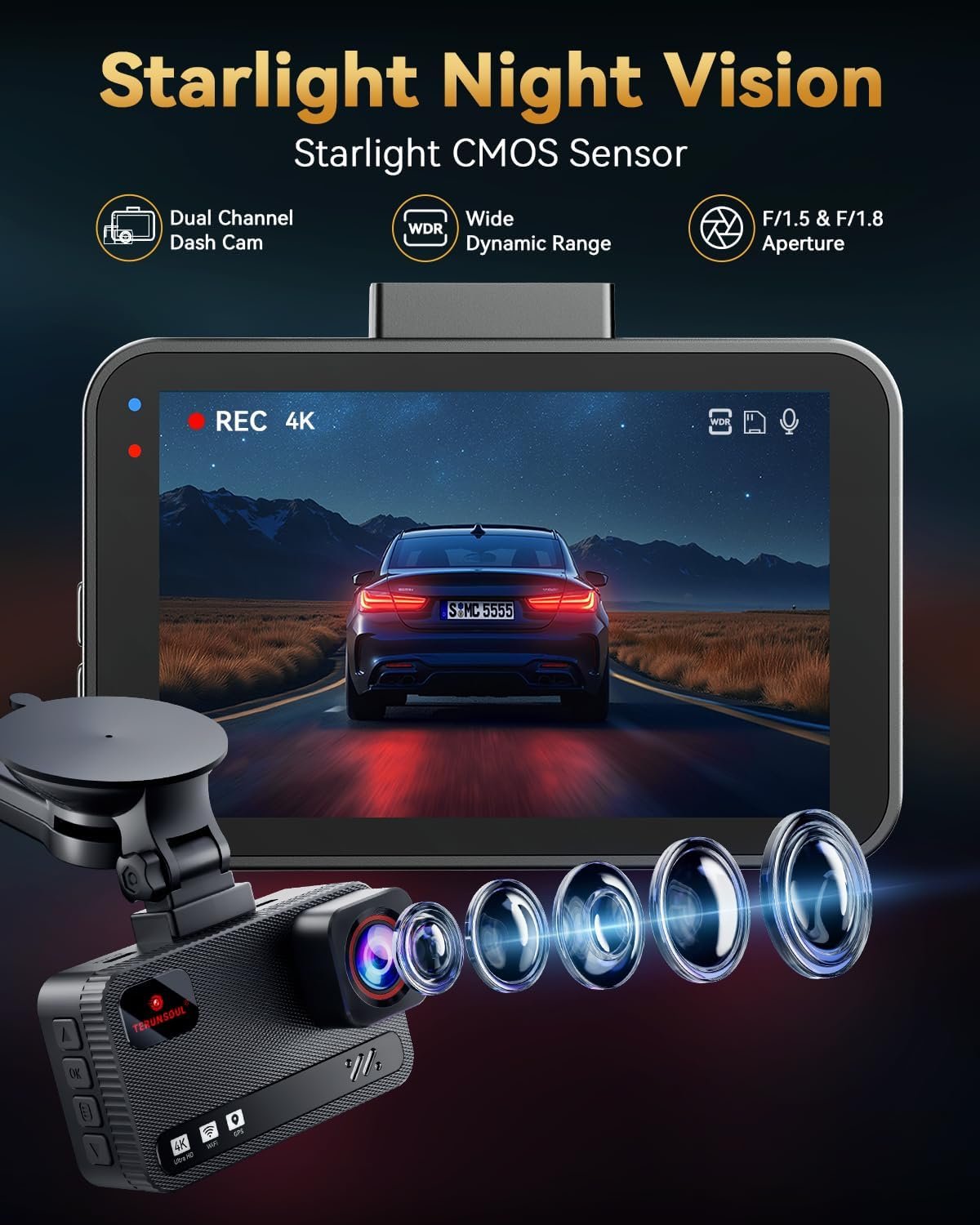
This model is a good option for beginners — you can check more details here: View details
Dual Cameras vs. Single: Worth It?
For road trips, dual-camera setups (front and rear) are usually the better choice. They give you a full picture of what’s happening around your vehicle, which can be crucial in busy highways or unfamiliar areas.
The trade-off is cost and complexity.
Single-camera systems are simpler and often more reliable long-term, but they leave blind spots. If you’re driving long distances or through high-traffic areas, that extra coverage is worth it.
4K Recording: Useful, but Not Everything
4K video sounds impressive—and it can be. It helps capture details like license plates and road signs more clearly, especially during the day.
But higher resolution also means larger file sizes and more heat.
On long trips, that can become a problem if the camera isn’t optimized well. Some mid-range dash cams offer 4K but struggle with thermal management or storage efficiency. In contrast, a well-tuned 1440p system can sometimes deliver more reliable overall performance.
Clarity matters—but stability matters more.
Connectivity and GPS: Small Features, Big Impact
Modern dash cams often include WiFi and GPS. These sound like extras, but they become surprisingly useful on long drives.
WiFi lets you quickly review or download footage without removing the memory card. GPS adds location and speed data, which can be helpful if you need to explain what happened during an incident.
These features don’t improve video quality—but they improve usability.
How It Compares Across the Market
Budget dash cams tend to focus on basic recording, often sacrificing build quality and long-term reliability. They might work fine at first but can struggle with heat or extended use.
Mid-range models usually offer the best balance—good video quality, reliable performance, and useful features without becoming overly complex.
Premium options push further with better night recording, improved sensors, and more polished apps—but at a significantly higher cost.
For most drivers, mid-range is the sweet spot.
Pros and Cons of a Good Road Trip Dash Cam
Pros:
- Continuous recording for long-distance driving
- Better clarity for identifying details on the road
- Added safety and evidence in case of incidents
- Useful features like GPS tracking and wireless access
- Peace of mind during unfamiliar routes
Cons:
- Higher resolution models can generate more heat
- Larger video files require more storage management
- Dual-camera setups are more complex to install
- Premium models can be expensive
This model is a good option for beginners — you can check more details here: View details
Who Should Invest in One
If you regularly take long trips, drive through unfamiliar areas, or simply want an extra layer of security, a dash cam is a smart investment. It’s especially useful for highway driving, where incidents can happen quickly and evidence matters.
But if you only drive short distances in low-risk environments, a basic model—or even no dash cam—might be enough.
Final Verdict
The best dash cam for long road trips isn’t the one with the highest specs—it’s the one that works reliably for hours without interruption. Stability, heat management, and ease of use matter far more than flashy features.
Bottom line: Choose a well-balanced dash cam with proven reliability over one that simply promises the highest resolution. On a long road trip, consistency is what you’ll actually depend on.


