
BMW is discontinuing the iX in the U.S., marking the end of its first dedicated electric SUV in the market as it prepares to introduce a new generation of EVs under its “Neue Klasse” platform.
The iX, launched in 2021, represented BMW’s early push into purpose-built electric vehicles. But with newer technology on the horizon, the company says it is shifting focus. In a statement, BMW confirmed it is “concluding U.S. allocation” of the model while transitioning to upcoming EVs, starting with the next-generation iX3.
Notably, the iX will continue to be sold in other global markets.
A Reset With Neue Klasse
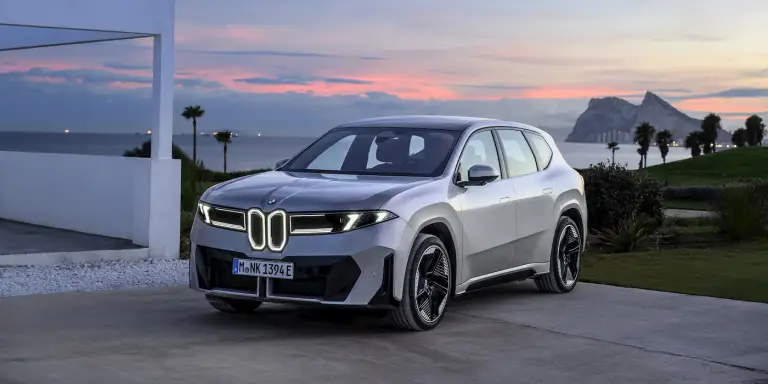
The replacement strategy centers on the upcoming BMW iX3, the first model built on BMW’s new Neue Klasse architecture. This platform is designed to deliver measurable improvements in key areas, including charging speed and driving range.
In practical terms, BMW claims around 30% faster charging and 30% more range compared to its current EV technology. The iX3 is expected to offer up to 400 miles of range in U.S. conditions, putting it closer to the top tier of electric SUVs.
Charging is also a focus. With peak speeds of up to 400 kW, the iX3 can add over 200 miles of range in roughly 10 minutes—at least under ideal conditions with compatible infrastructure.
More Than Just Range
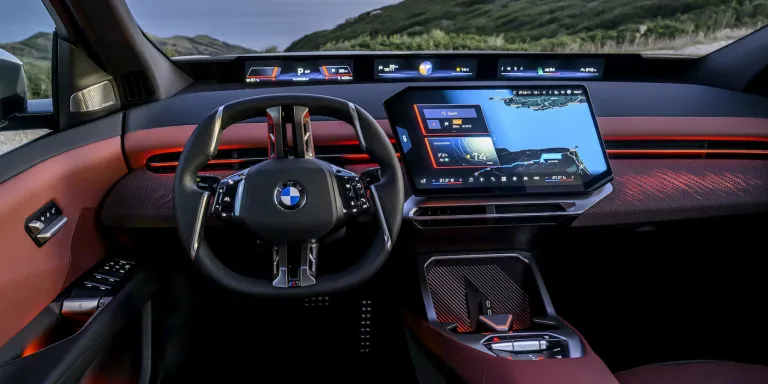
Beyond performance, BMW is using the Neue Klasse platform to rethink the in-car experience. The new cabin introduces a large central touchscreen alongside a wide, panoramic head-up display that spans the base of the windshield.
In simple terms, more information is projected directly into the driver’s line of sight, reducing the need to look away from the road.
This reflects a broader trend across the industry, where software and user interface design are becoming as important as hardware.
Competitive Positioning
Pricing could be one of the iX3’s strongest advantages. In the U.S., it’s expected to start at around $60,000, undercutting several rivals including the Genesis Electrified GV70, Audi Q6 e-tron, Porsche Macan Electric, Rivian R1S, and Mercedes-Benz EQS SUV.
At the same time, early demand appears strong. BMW has already reported more than 50,000 orders for the iX3 in Europe within six months, suggesting the new platform is resonating with buyers.
Pros and Cons
Pros:
- Significant improvements in range and charging speed
- Competitive pricing within the premium EV segment
- New software-driven interior and display system
- Strong early demand in Europe
Cons:
- Real-world charging performance depends on infrastructure
- Discontinuing the iX may leave a temporary gap in the lineup
- New platform introduces unproven long-term reliability
- High competition from established and emerging EV brands
The Bigger Picture
BMW’s decision to phase out the iX in the U.S. highlights a broader transition. Rather than incrementally improving existing models, the company is moving toward a clean-sheet EV architecture designed to compete more directly with newer entrants in the market.
The Neue Klasse platform is expected to underpin multiple future models, including an upcoming electric sedan.
Conclusion
The end of the iX in the U.S. is less about discontinuation and more about repositioning. BMW is effectively resetting its EV strategy around the Neue Klasse platform, with the iX3 as its first major test.
If the promised gains in range, charging, and software translate into real-world performance, this shift could bring BMW closer to the front of the premium EV segment.


