Ford is quietly changing direction with its new Ford Transit City Electric Van. Instead of chasing bigger batteries and longer range, this model focuses on something far more practical: cost efficiency and real-world usability for urban businesses.
At a time when many electric vans are becoming more complex and expensive, this approach feels surprisingly grounded.
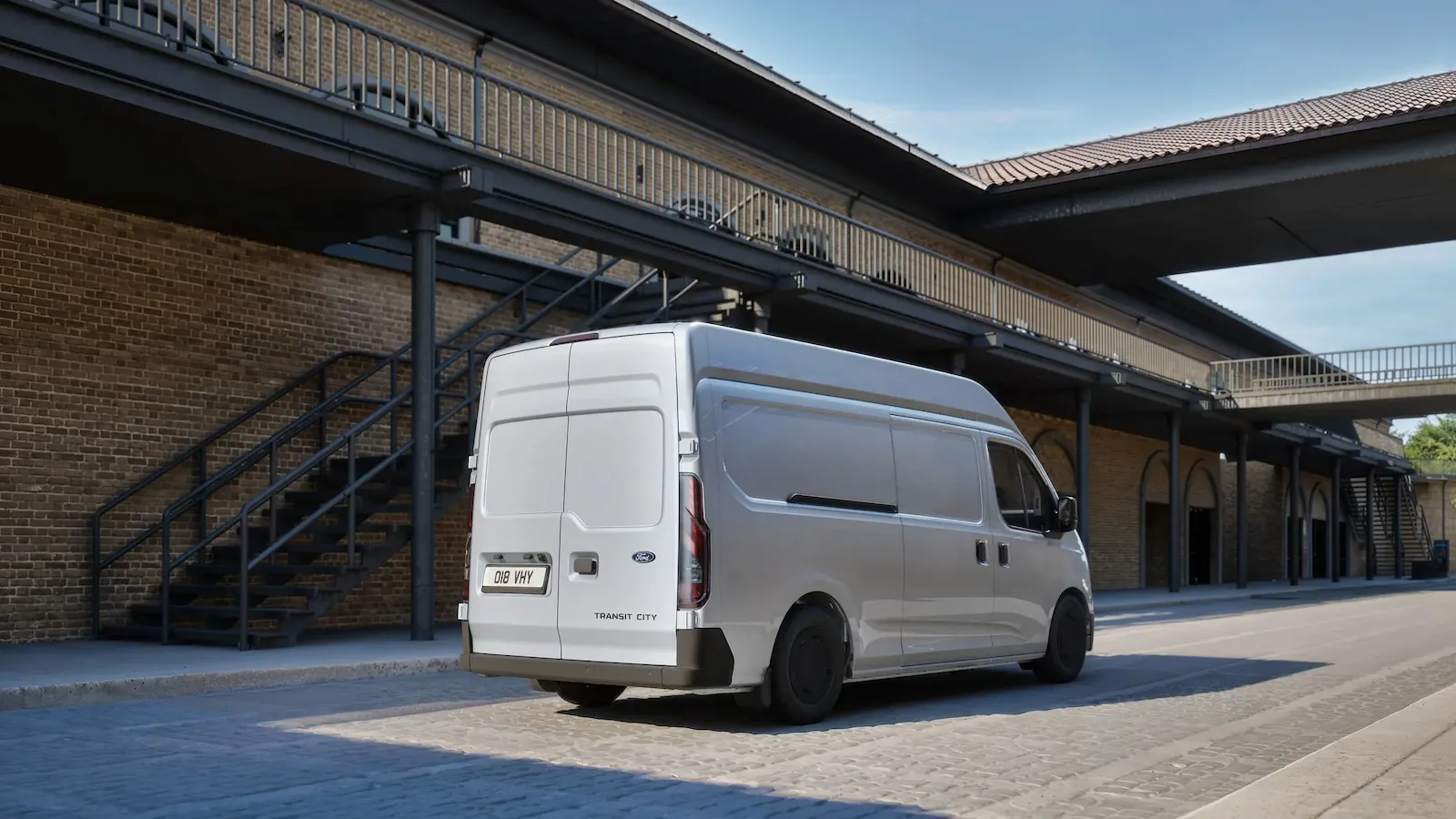
Back to Basics: Less Range, More Relevance
The Transit City electric van is built around:
- 56 kWh LFP battery
- 110 kW (≈150 hp) front-wheel-drive motor
- Up to 254 km (160 miles) range
On paper, 160 miles doesn’t sound impressive—especially compared to premium EVs. But for delivery fleets, that’s not really the point.
Most urban routes:
- run well under 100 miles per day
- return to base regularly
– My take:
Ford isn’t trying to win the spec sheet race. It’s trying to match actual usage patterns, and that’s a smarter move than it looks.
Real-World Use: Where This Van Actually Works
Picture a small logistics company operating inside a city:
- multiple short delivery runs
- frequent stops
- strict low-emission zones
In that scenario:
- 160 miles is more than enough
- overnight charging covers most needs
- occasional mid-day charging is manageable
What matters more is:
- reliability
- low running cost
- ease of use
And that’s clearly what this van is designed for.
Charging and Battery Choice: Why LFP Makes Sense
Ford uses a lithium iron phosphate (LFP) battery here, which brings a few practical advantages:
- better durability over repeated charging cycles
- more stable performance
- lower cost compared to traditional lithium-ion
The van supports:
- 10% to 80% charge in about 30 minutes (DC fast charging)
– In real terms:
Drivers can top up during a lunch break and keep going without major downtime.
Interior and Tech: Simple but Functional
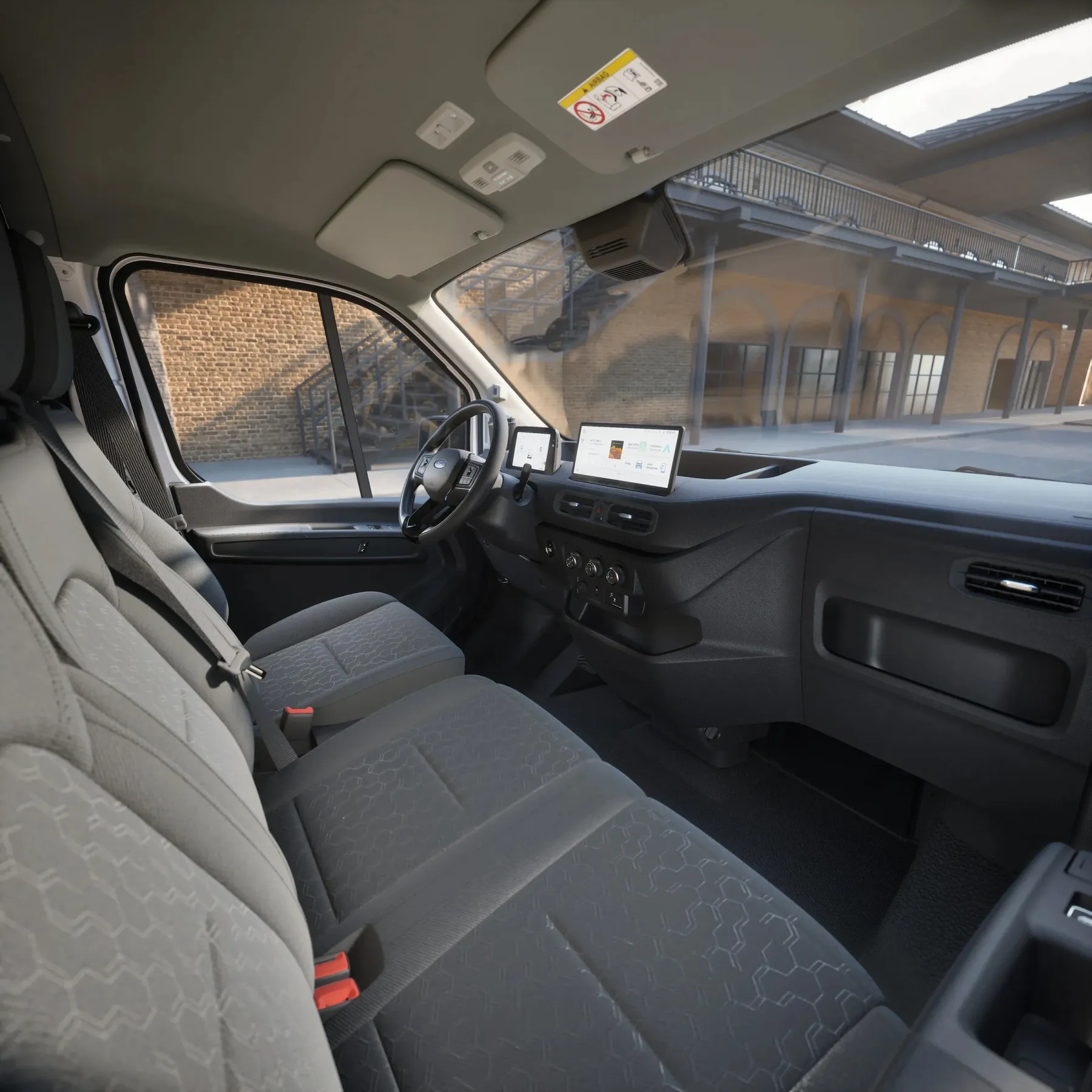
Inside, the Transit City keeps things straightforward:
- 12-inch central touchscreen
- digital instrument cluster
- Apple CarPlay and Android Auto (standard)
- heated seats for efficiency in cold weather
Safety features include:
- adaptive cruise control
- rear-view camera
- likely lane assist and parking sensors
– It’s not flashy, but it covers everything a working vehicle needs.
Positioning: A Different Philosophy
Compared to larger electric vans like the Ford E-Transit, the Transit City is:
- smaller
- simpler
- likely more affordable
And compared to traditional diesel vans:
- higher upfront cost (expected)
- lower running costs over time
- compliance with clean air regulations
– The key idea here is “right-sizing”:
not overbuilding, not overspending.
My Evaluation: Smart, but Niche
This van won’t appeal to everyone.
It’s not designed for:
- long-distance logistics
- heavy-duty hauling
- buyers chasing maximum range
But for:
- contractors
- last-mile delivery services
- urban fleets
…it actually makes a lot of sense.
– My perspective:
This is one of the few EVs that feels designed from real customer feedback, not marketing pressure.
Conclusion: A Practical Step Forward, Not a Revolution
The Ford Transit City electric van doesn’t try to reinvent the wheel. Instead, it focuses on doing the basics well—range, cost, and usability.
My conclusion:
If your business operates in urban environments with predictable routes, this van could be a very practical and cost-effective solution. It’s not exciting, but it doesn’t need to be.
And in the commercial vehicle world, practicality usually matters more than hype.