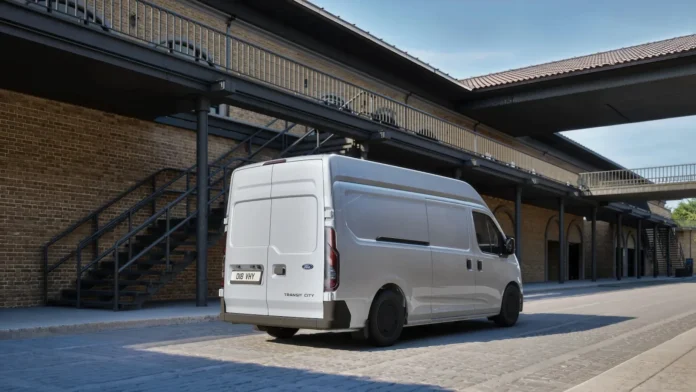
Workhorse Group has introduced a new 140 kWh version of its Workhorse W56 Step Van, aiming to solve one of the biggest complaints in fleet electrification: cost.
At $169,000, this new configuration is positioned as a more practical alternative to the original 210 kWh version. On paper, it looks like a downgrade. In reality, it might be exactly what many fleets actually need.
A Simpler Idea: Right-Sizing the Battery
The biggest change is the battery:
- Previous version: 210 kWh
- New version: 140 kWh
- Estimated range: ~100 miles at full 10,000 lb payload
That number might sound low if you’re used to consumer EVs. But for delivery fleets, it makes sense.
Many last-mile routes:
- run 60–90 miles per day
- return to base every night
– My take:
The original battery was overbuilt for most use cases. This version feels more aligned with real operations rather than spec-sheet competition.
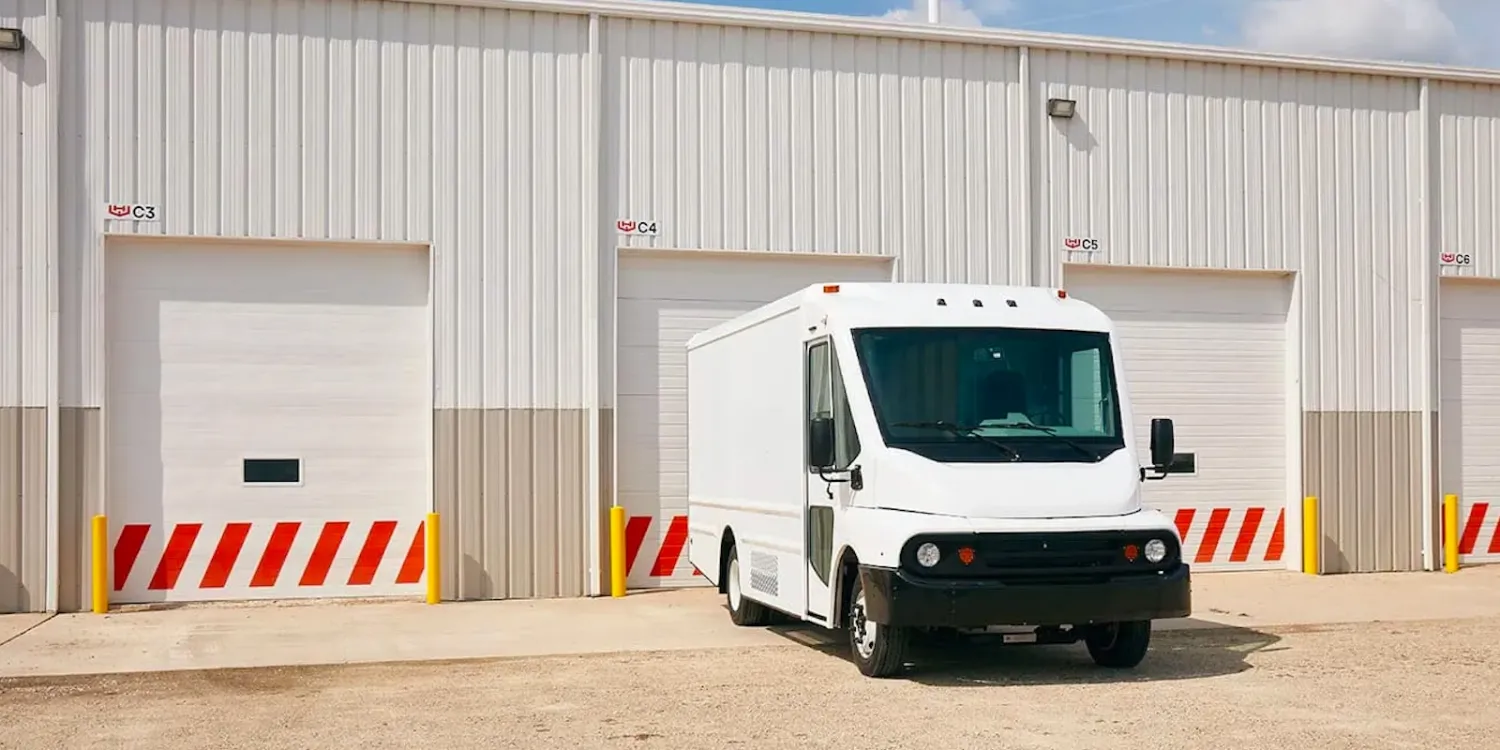
Real-World Scenario (What This Actually Means)
Imagine a local delivery company running urban routes:
- 70–80 miles per day
- frequent stops
- heavy payload
With the 140 kWh W56:
- one overnight charge is enough
- no need for mid-day charging
- lower upfront cost
In practice, drivers would likely prefer:
- lighter vehicle feel
- less charging downtime
- predictable daily range
This is less about “range anxiety” and more about operational efficiency.
Pricing: Still Expensive, But More Justifiable
At $169,000, the W56 is not cheap. Compared to diesel step vans:
- Traditional diesel: ~$70,000–$90,000
- Electric competitors: often $150,000+
So where does this sit?
– Compared to other electric step vans:
- competitive
- especially considering payload capacity and build
– Compared to diesel:
- still a big upfront gap
However, this is where operating costs matter.
Fuel Costs vs Electricity: The Hidden Advantage
With US fuel prices rising again (nearing $4/gallon nationally, much higher in states like California), the economics start to shift.
Electric trucks offer:
- lower energy cost per mile
- less maintenance (fewer moving parts)
- more predictable operating expenses
– My perspective:
For fleets running daily routes, the savings over time can offset the higher purchase price—but only if utilization is high.
Technical Highlights (Simple and Practical)
- Battery: 140 kWh
- Range: ~100 miles (fully loaded)
- Payload: up to 10,000 lbs
- Wheelbase: 178 inches
- Body: lightweight composite design
Nothing here is flashy. And that’s actually a good thing.
This is clearly built for:
- durability
- repeatable daily use
- predictable performance
Compared to Other Options
vs Larger Battery Electric Vans
- Lower cost
- Less unnecessary range
- Better efficiency for short routes
vs Diesel Vans
- Higher upfront cost
- Lower long-term operating cost
- Less exposure to fuel price volatility
– The key trade-off:
You’re paying more upfront to reduce long-term risk and cost.
My Evaluation: Practical, But Not for Everyone
What Workhorse is doing here is simple but smart:
- listening to fleet data
- removing unnecessary battery capacity
- lowering entry cost
However, this only works if:
- routes are predictable
- charging infrastructure is available overnight
For long-haul or unpredictable routes, this setup won’t be enough.
Conclusion: A More Realistic Electric Truck for Fleets
The Workhorse W56 140 kWh isn’t trying to impress with specs—it’s trying to solve a real problem.
My view:
This is a more practical and better-balanced version of the original W56. It won’t replace diesel overnight, but for urban delivery fleets with consistent routes, it’s a strong step toward making electrification financially viable.
If you’re running short, repeatable delivery routes and looking to control fuel costs, this is one of the more sensible electric options available right now.