
If you’ve ever driven an EV and pulled up to a public charger only to find it out of order, you already understand one of the industry’s most frustrating problems. It’s not range anymore — it’s reliability.
That’s exactly the gap Everged is trying to address with its new “Zero Cost Swap Program.” On paper, the idea is simple: replace outdated or broken chargers with new ones, handle installation and maintenance, and remove the upfront cost barrier for site owners.
But once you look beyond the headline, this is less about charity and more about reshaping how charging infrastructure is owned and operated.
The Real Problem: Chargers Don’t Just Break — They Get Abandoned
A big part of the issue comes from early-generation EV chargers that were installed years ago, often by startups or smaller providers that no longer exist. When those companies exit the market, the hardware doesn’t disappear — it just stops working.
From what I’ve seen, many property owners are stuck in an awkward position. They have chargers on-site, but:
- They’re outdated or incompatible with newer systems
- There’s no support or maintenance available
- Replacing them means dealing with cost, permits, and downtime
So the chargers sit there, unusable, while drivers lose trust in public infrastructure.
This is where Everged’s model becomes interesting.
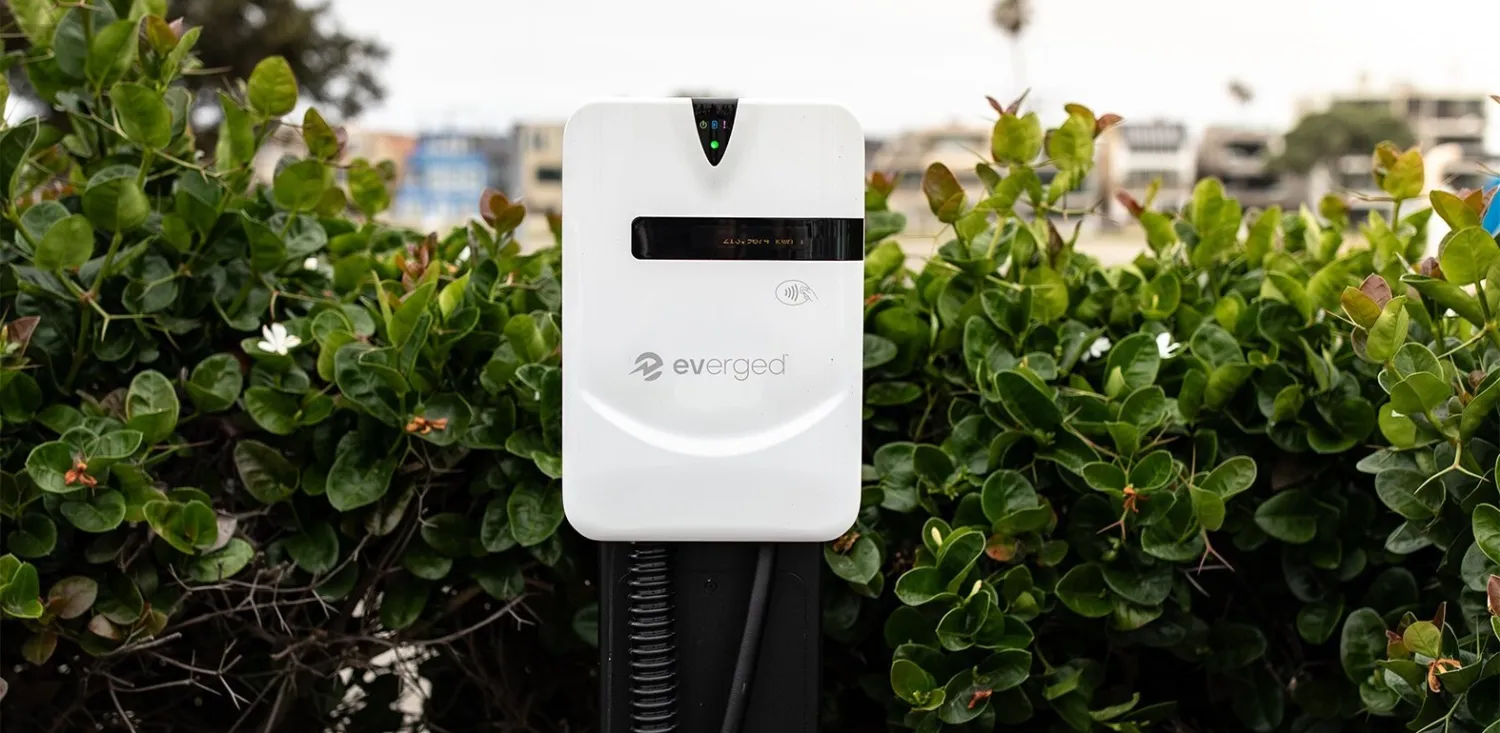
What Everged Is Actually Offering
The “zero cost” angle is the hook, but the real value lies in the full-service approach. Everged removes the old equipment, installs new chargers (both Level 2 and DC fast charging options), and takes over ongoing operations.
Instead of the site host owning and worrying about the hardware, Everged essentially becomes the operator. They monitor chargers around the clock, use remote diagnostics to detect issues, and aim to keep uptime consistently high.
From a technical standpoint, one detail stands out. In many cases, Everged reuses existing electrical infrastructure. That might sound minor, but it’s critical. New permitting and electrical upgrades are often the biggest bottlenecks in deploying EV chargers. Avoiding that can cut deployment time significantly.
Why This Model Makes Sense Right Now
The EV market has matured quickly, but charging infrastructure hasn’t kept up — especially in terms of reliability. A broken charger doesn’t just fail to serve drivers; it actively discourages EV adoption.
For businesses, the impact is even more direct. A working charger can attract customers who stay longer and spend more. A broken one does the opposite. It sends a signal that the location is outdated or poorly maintained.
Everged’s approach removes the friction. No upfront investment, no maintenance headaches, and potentially even revenue sharing. That’s a compelling offer, especially for property owners who don’t want to become charging experts.
The Trade-Off: Control vs Convenience
Of course, “zero cost” never truly means free.
In exchange for handling everything, Everged likely retains control over the charging network, including pricing, data, and customer experience. For some site hosts, that’s perfectly acceptable. For others, especially larger operators, it might be a limitation.
There’s also the broader question of long-term dependency. Once a site is integrated into a specific network, switching providers later can become complicated.
So while the model lowers the barrier to entry, it also shifts control away from the property owner.
Personal Perspective
What stands out to me is how practical this solution is. Instead of focusing on building entirely new infrastructure, Everged is solving a very real, very visible problem: the chargers that already exist but no longer work.
It’s not glamorous, but it’s necessary.
At the same time, this feels like a transitional model. As the EV ecosystem matures, we may see more standardized hardware and longer-lasting support systems. But right now, there’s a clear gap — and Everged is stepping into it at the right moment.
Final Verdict
Everged’s Zero Cost Swap Program addresses one of the EV industry’s most overlooked issues: maintaining and upgrading aging infrastructure. It’s a smart, practical solution that aligns incentives between operators and site hosts, while improving the experience for drivers.
Clear opinion:
This model makes a lot of sense for businesses that want reliable chargers without the complexity of managing them. But it’s not entirely “free” — it’s a trade-off between convenience and control. For many, that trade-off will be worth it.


