Buying a dash cam sounds simple until you realize how many of them look great on paper and disappoint in real driving conditions. After using several models over long commutes, highway trips, and daily city driving, I’ve learned that the most important things are surprisingly basic: stable recording, clear night footage, and reliability during heat.
A lot of budget dash cams advertise flashy specs like “4K Ultra HD,” but many still fail to capture readable license plates after dark. Meanwhile, some older or less hyped models quietly perform much better because their image processing is more consistent in real-world conditions.
That’s the difference you actually notice after months of use.
Viofo A229 Pro – Best Overall for Serious Daily Driving
The Viofo A229 Pro feels like a dash cam designed by people who understand what drivers actually need. The image quality is excellent, but more importantly, it stays usable in difficult situations like rain, tunnels, or nighttime traffic with heavy headlights.
License plates remain readable more often than with most mid-range competitors, especially while moving. That matters far more than exaggerated marketing claims about resolution.
The HDR performance is also genuinely useful. Instead of blown-out headlights and dark shadows, the footage stays balanced enough to identify vehicles clearly. During highway driving at night, the difference compared to cheaper dash cams becomes obvious immediately.
The downside is the app. It works, but it feels clunky compared to brands like Garmin. Transferring footage can be slower than expected, and the setup process is less beginner-friendly.
Still, once installed properly, it’s the kind of dash cam you stop thinking about — which is honestly the best compliment for this category.
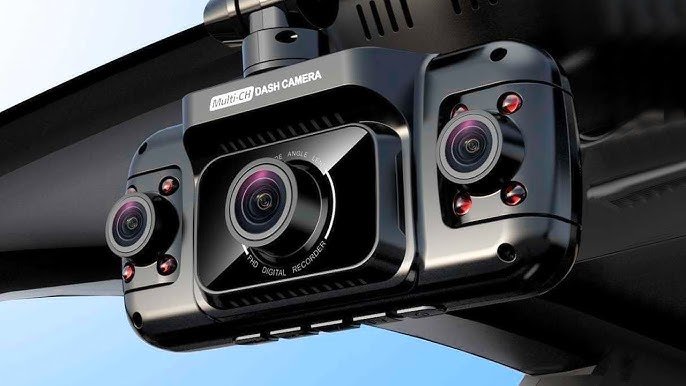
This product has been consistently rated well by users, so you can check reviews here. View details
Garmin Mini 3 – Best Compact Dash Cam
The Garmin Mini 3 takes a completely different approach. Instead of loading the camera with features, Garmin focuses on making it tiny, discreet, and easy to live with.
And honestly, that works better than expected.
Many dash cams become visually annoying after a while, especially if they hang too low on the windshield. The Garmin is small enough that you barely notice it while driving, which makes the cabin feel less cluttered.
Setup is also refreshingly simple. The app experience is smoother than most enthusiast-focused brands, and everyday use feels more polished overall.
The compromise is image detail. Daytime footage looks good, but nighttime recording is only average compared to premium models like the Viofo. On darker roads, license plates become harder to read at distance.
So if your priority is maximum evidence quality, there are better options. But if you mainly want a reliable, discreet camera that quietly records every drive, the Garmin makes a lot of sense.
70mai A800S – Best Value for Most Drivers
The 70mai A800S sits in that sweet spot where the price still feels reasonable, but the experience doesn’t feel cheap.
For everyday commuting, it performs surprisingly well. The front-and-rear camera setup gives good coverage, video quality is sharp enough for insurance situations, and the app is easier to use than many enthusiast dash cam brands.
I was also impressed by how stable it remained during hot weather. Some budget dash cams become unreliable after months of heat exposure, but the A800S handled daily use better than expected.
The weaker point is nighttime clarity. Compared to the Viofo, there’s noticeably more glare from headlights and softer detail during rainy or poorly lit conditions.
Still, for the price, it feels much smarter than buying ultra-cheap generic dash cams that often fail within a year.
What Actually Matters in a Dash Cam?
After testing multiple models, I think people focus too much on resolution numbers and not enough on consistency.
A reliable 2K or well-processed 1080p camera is usually more useful than a poorly optimized “4K” camera that struggles at night. Good HDR processing, heat resistance, and stable loop recording matter more in daily use than fancy AI alerts or cloud subscriptions.
Another thing worth considering is size. Larger dash cams with screens may look impressive initially, but compact cameras often feel better long term because they stay out of your field of view.
And unless you regularly leave your car parked in risky areas, most people probably don’t need expensive cloud-connected systems.
Final Verdict
If I had to recommend just one dash cam after long-term use, I’d still pick the Viofo A229 Pro. It isn’t the cheapest option, and the software experience could definitely be smoother, but the footage quality and reliability make it worth the extra money.
For drivers who care about clear evidence in difficult lighting conditions, it’s one of the few dash cams that consistently feels dependable instead of just feature-packed.
If you prefer something smaller and simpler, the Garmin Mini 3 is easier to live with daily. And for buyers trying to stay within budget without buying junk, the 70mai A800S remains one of the better value choices available right now.
The biggest mistake, honestly, is going too cheap. A dash cam only matters when something goes wrong — and that’s exactly when unreliable models tend to fail.