Waymo has filed a voluntary recall with the National Highway Traffic Safety Administration (NHTSA) covering 3,791 robotaxis after one of its autonomous vehicles drove into floodwaters in San Antonio last month.
No injuries were reported, and no passengers were inside the vehicle at the time of the incident. The recall will be handled entirely through an over-the-air software update, meaning no vehicles need to be physically serviced.
According to documents published by NHTSA, the incident occurred on April 20 when a Waymo robotaxi encountered a flooded section of roadway in San Antonio. Instead of rerouting away from the hazard, the vehicle continued into the water at a reduced speed.
The car was eventually swept into Salado Creek and later recovered from the waterway. NHTSA documents also referenced an earlier flood-related incident in the same city roughly two weeks prior.
Following the April event, Waymo temporarily suspended operations in San Antonio while reviewing its flood response procedures and operational safeguards. The company is expected to resume service in the city this week.
The recall affects vehicles equipped with both Waymo’s fifth- and sixth-generation automated driving systems operating across multiple US cities, including Phoenix, San Francisco, Los Angeles, Austin, San Antonio, and Atlanta.
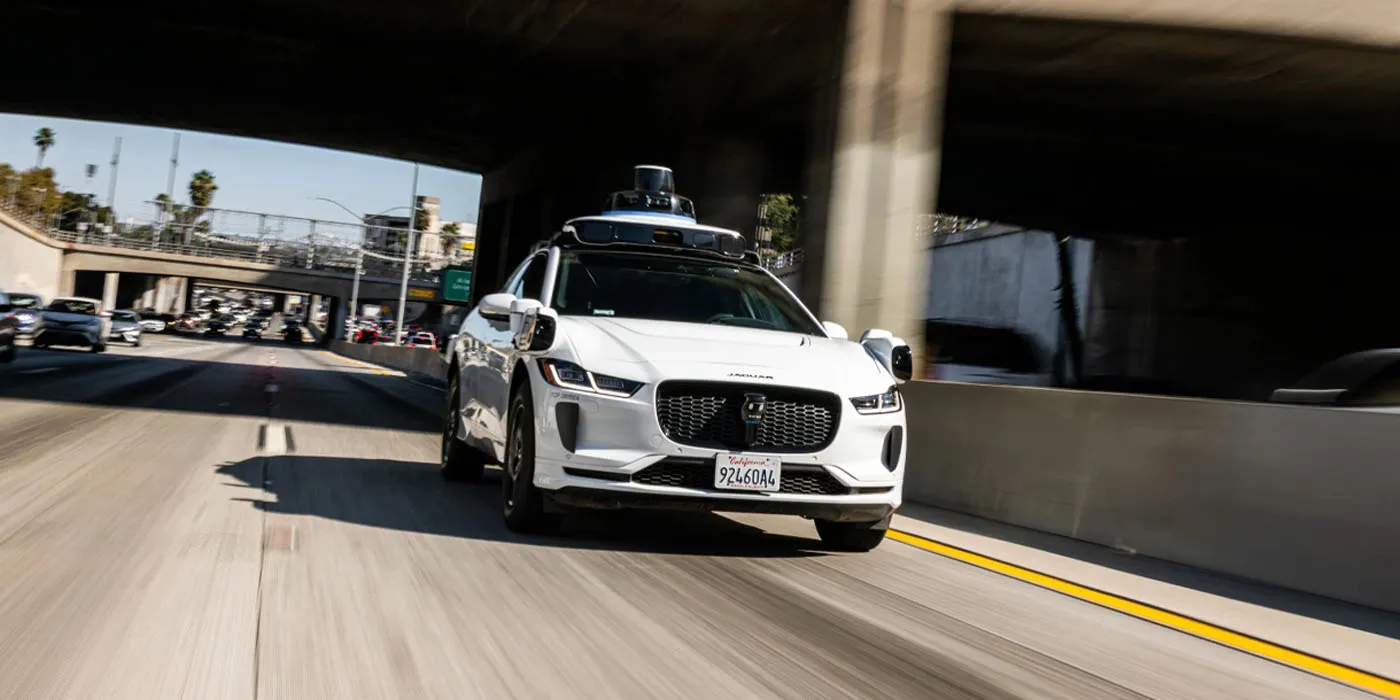
Unlike traditional automotive recalls, this one is entirely software-based.
Waymo says it identified “an area of improvement regarding untraversable flooded lanes specific to higher-speed roadways” and is implementing additional safeguards through updated software logic. Interim measures already in place include tighter operational boundaries, revised maps, and new weather-related restrictions designed to reduce exposure to flash flooding zones.
The approach reflects one of the key differences between autonomous vehicle fleets and privately owned consumer cars. Because Waymo directly owns and operates its vehicles, it can deploy software updates across the fleet remotely with near-complete adoption rates. In practice, the process resembles a smartphone software patch more than a conventional vehicle recall.
Waymo has used similar OTA recall procedures before. Late last year, the company issued software updates after some robotaxis were observed improperly passing stopped school buses in Austin and Atlanta. Those fixes were also distributed remotely without requiring physical maintenance visits.
The filing also offers a clearer look at the scale of Waymo’s growing robotaxi operations.
The recall covers 3,791 vehicles, suggesting the company’s fleet has expanded rapidly over the past year. Waymo did not publicly disclose surpassing 2,000 vehicles until September 2025, indicating the fleet has nearly doubled within roughly eight months.
That growth aligns with Waymo’s broader expansion strategy. Earlier this year, the Alphabet-owned company raised $16 billion at a reported valuation of $126 billion. Waymo currently says it provides approximately 500,000 paid robotaxi rides per week across 10 US cities and aims to double that figure to 1 million weekly rides by the end of the year.
The incident also highlights one of the ongoing challenges facing autonomous driving systems: handling unpredictable real-world conditions such as severe weather and flash flooding. While self-driving systems can perform consistently under normal operating conditions, edge cases involving rapidly changing environments remain a significant technical and safety focus across the industry.
For now, the recall appears limited to software behavior in flood-prone situations rather than a broader issue with Waymo’s autonomous driving platform. The update underscores how software-defined vehicle systems allow autonomous fleet operators to respond quickly when operational weaknesses are identified.