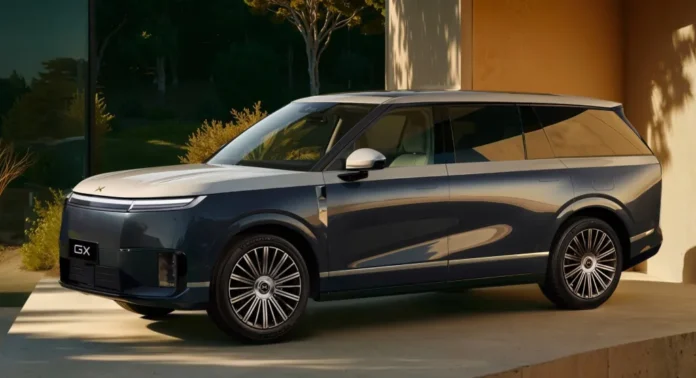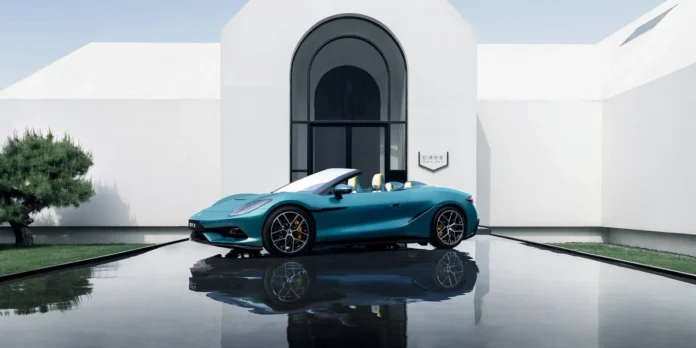
BYD is clearly done playing it safe. At the Beijing Auto Show, its sub-brand Fang Cheng Bao made a sharp pivot—from rugged, high-end off-road SUVs to sleek electric sedans and even a production-bound sports car.
It’s a bold shift in identity. And potentially a risky one.
From Off-Road Beasts to Low-Slung Sedans
Until now, Fang Cheng Bao has built its reputation on premium SUVs like the Bao 5 and Bao 8—vehicles designed to handle extreme terrain, with some models even capable of floating on water.
That’s a niche.
Now the brand is stepping into one of the most competitive segments in the EV market: premium electric sedans. The newly announced Formula S lineup marks its first serious attempt to compete beyond off-road enthusiasts.
The strategy is clear—expand from “adventure luxury” into “personalized performance.”
The Formula S: Style-First, Segment-Blurring Sedans
The Formula S isn’t just one car. It’s a family of three variants:
- A traditional three-box sedan
- A sportier shooting brake (Formula S GT)
- A larger flagship sedan (Formula SL)
All share similar proportions—over 5 meters long, 2 meters wide, with a 3-meter wheelbase—putting them squarely in the same size class as cars like the Tesla Model S or BMW i5.
But Fang Cheng Bao isn’t competing on specs alone. It’s leaning heavily into design.
The company calls it a “golden ratio” body, with a low, aggressive stance inspired by a cheetah. Details like “Cheetah Eyes” headlights and ring-shaped taillights push the cars visually closer to supercars than traditional sedans.
That’s intentional.
This is less about conservative luxury and more about making a statement.
Carbon Fiber and Real-World Impact
One of the more notable technical choices is the use of a full carbon fiber body. In simple terms, carbon fiber is lighter and stronger than steel, which can improve acceleration, efficiency, and handling.
But it also raises questions.
Carbon fiber is expensive to produce and repair. While it makes sense in high-end sports cars, its practicality in a mainstream (or even premium) sedan depends heavily on pricing and after-sales support.
In other words, it’s impressive—but not necessarily user-friendly.
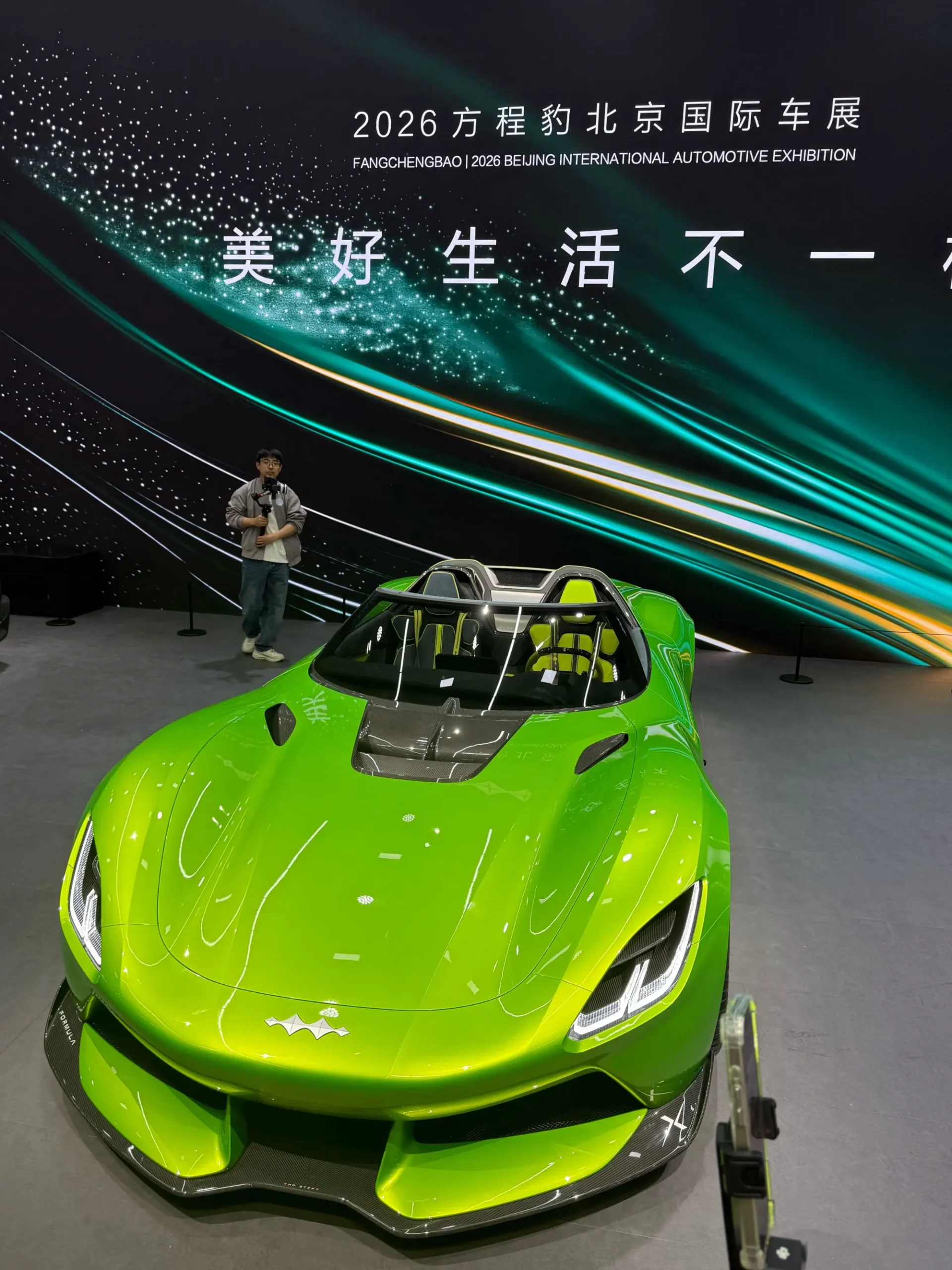
Formula X: A Supercar Halo Play
Alongside the sedans, Fang Cheng Bao previewed the Formula X, a two-seat electric sports car that the company says is about 80% production-ready.
Think of it as a halo product—similar in spirit to what brands like Lamborghini or McLaren use to showcase performance and design capabilities.
It’s not meant to sell in large numbers.
It’s meant to change how people see the brand.
A Crowded Market, A New Identity
This expansion comes at a time when China’s EV market is more competitive than ever. BYD already operates multiple sub-brands, including Denza and Yangwang, each targeting different price tiers and customer groups.
That raises a key question: where does Fang Cheng Bao fit?
With the Formula S and Formula X, the brand seems to be positioning itself as the “expressive” arm of BYD—focused on personalization, design, and emotional appeal rather than just practicality or price.
That’s a smart move in theory.
But it also risks overlap with BYD’s existing lineup and confusion among buyers.
Pros and Cons
Pros
- Distinctive, high-impact design that stands out in a crowded market
- Diverse lineup (sedan, shooting brake, flagship) for broader appeal
- Lightweight carbon fiber construction with performance benefits
- Strong brand backing from BYD
Cons
- Unclear positioning within BYD’s already complex brand ecosystem
- Carbon fiber may increase costs and repair complexity
- Entering an extremely competitive sedan market
- Limited real-world details on performance and pricing so far
The Bigger Picture
Fang Cheng Bao’s move into sedans and sports cars isn’t just about new products—it’s about redefining the brand.
It’s shifting from a niche off-road identity to something more aspirational and lifestyle-driven. That’s a significant leap, especially in a market where brand perception matters as much as specifications.
The challenge will be execution.
Design can attract attention, but long-term success depends on delivering real value—performance, reliability, and pricing that makes sense to buyers.
Final Verdict
Fang Cheng Bao’s new Formula lineup is ambitious, visually striking, and strategically important for BYD’s broader portfolio. It signals a clear intent to compete not just on technology, but on emotion and identity.
But ambition alone won’t guarantee success.
If the brand can translate its bold design and materials into a compelling ownership experience, it could carve out a unique space in the premium EV segment. If not, it risks becoming another stylish experiment in an already saturated market.
Right now, it’s a promising pivot—but far from a sure thing.