
Tesla is taking a hard stance against a growing gray market of devices that unlock its Full Self-Driving (FSD) software in regions where it isn’t officially approved. Reports from Europe, South Korea, China, and Turkey indicate that the automaker has begun remotely disabling FSD on affected vehicles—permanently removing access without prior notice.
Owners say their cars were accessed over the air, flagged for unauthorized hardware connected to the Controller Area Network (CAN) bus, and downgraded to basic Autopilot. In many cases, even customers who had already paid for FSD lost access entirely.
At the center of the issue are small, USB-like modules—typically priced around €500—that plug directly into a Tesla’s internal network. These devices bypass regional restrictions and geofencing, enabling FSD (Supervised) in markets where regulators have not yet approved the feature.
The concept gained traction after developer Michal Gapinski demonstrated a workaround through his Tesla Android project. Since then, similar tools have proliferated, especially in Europe, where repeated delays in regulatory approval have frustrated owners waiting years for access to FSD capabilities.
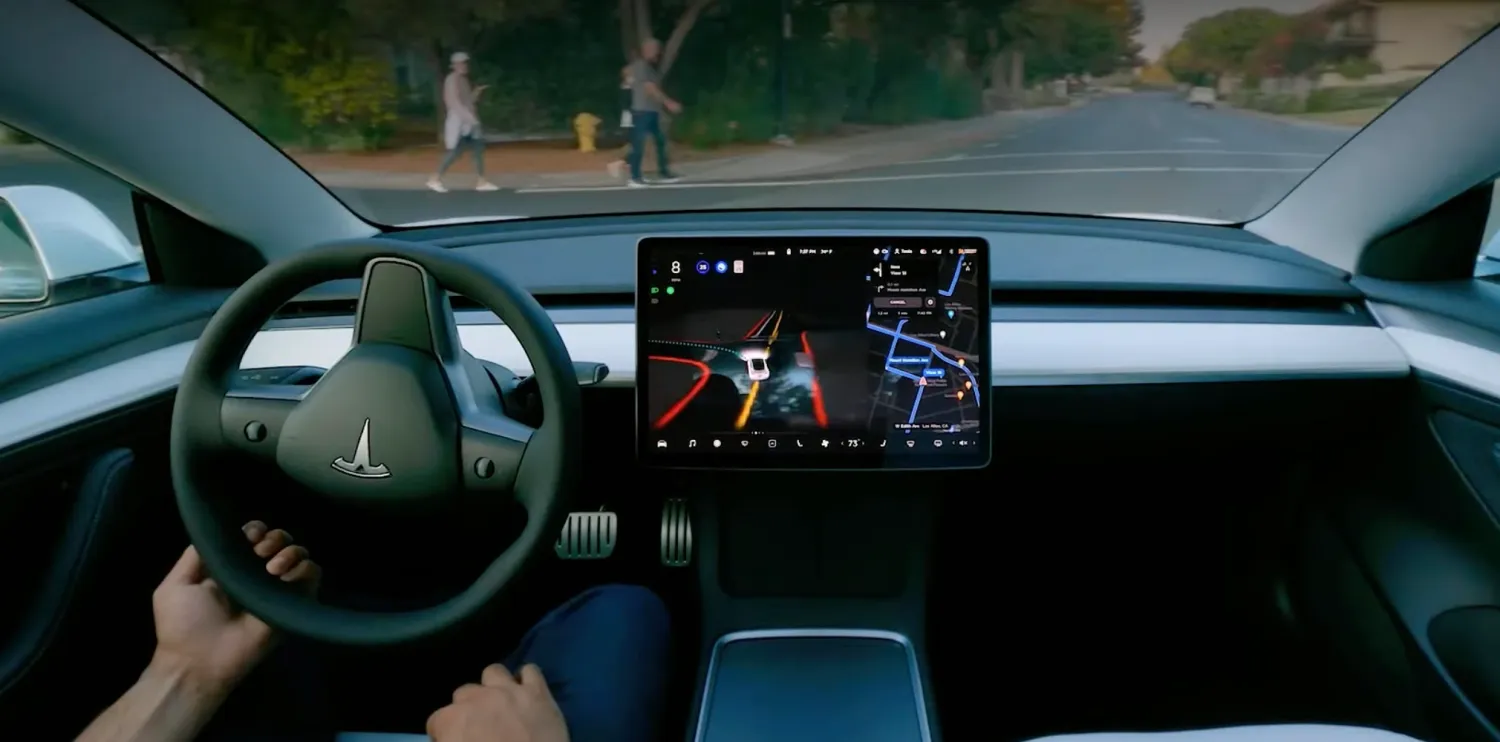
Tesla’s connected vehicle system allows it to monitor detailed logs and detect unusual activity. When unauthorized devices are identified, the company’s response has been swift and severe: disabling FSD and, in some cases, resetting vehicles to their original driver-assistance configurations.
In China, affected users received in-car notifications stating they were permanently banned from FSD use. Tesla also warned that drivers using such devices would be fully liable for any accidents and that warranty coverage could be denied, regardless of whether the hardware caused damage.
The company has framed these devices as cybersecurity risks, arguing they could expose vehicles to vulnerabilities or malicious interference.
Legal risks are also emerging. In South Korea, authorities have classified the use of such hardware as illegal under the Automobile Management Act. Penalties can include up to two years in prison or fines of roughly $13,000—far exceeding the cost of the devices themselves.
The situation is particularly complex in that market. Some owners paid thousands of dollars for FSD, but eligibility is limited to certain U.S.-built models, leaving others with locked features despite their purchase.
Tesla has used remote updates to enforce its policies before, including removing Autopilot features from vehicles sold through third-party dealers. This latest action underscores how much control the company retains over software-defined capabilities in its cars.
At the same time, the crackdown highlights a contrast with Tesla’s past tolerance of other unofficial modifications. Influencers like Elon Musk have amplified videos showcasing advanced FSD performance, some of which appeared to rely on devices that suppress driver monitoring alerts. These “nag defeat” tools fall into the same category of unauthorized hardware now being targeted.
Regulators have taken notice. The National Highway Traffic Safety Administration previously raised concerns about reduced driver monitoring, warning it could increase the risk of inattentive driving.
While those earlier modifications focused on bypassing safety prompts, the current wave of CAN bus devices introduces regulatory challenges by enabling restricted features in unapproved regions—an issue with broader legal implications.
Takeaway: Tesla’s crackdown signals a stricter approach to unauthorized modifications, reinforcing both regulatory boundaries and its control over vehicle software—while highlighting ongoing tensions between global rollout delays and user demand for advanced features.


