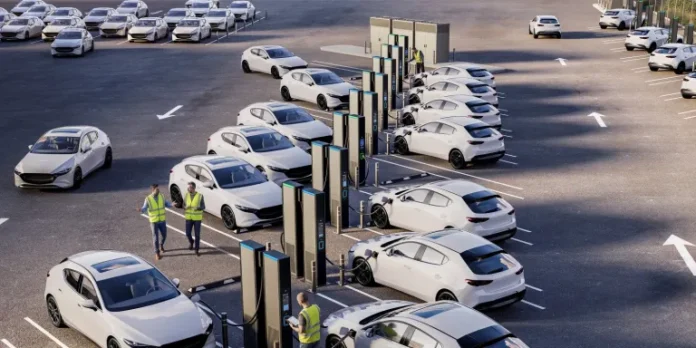
Honda appears to be pulling back from one of its most ambitious electric vehicle investments yet. According to reports, the company is shelving its planned C$15 billion EV and battery manufacturing hub in Ontario, Canada—a project that was once positioned as the centerpiece of Honda’s North American electrification strategy.
What was initially described as a temporary pause now looks far more permanent.
When Honda announced the Alliston project in 2024, the scale was significant: a new EV assembly plant capable of producing 240,000 vehicles annually, a 36 GWh battery facility, and battery materials partnerships with companies including POSCO Future M and Asahi Kasei. Production was expected to begin in 2028.
At the time, it represented one of Canada’s largest EV manufacturing commitments.
But less than two years later, the tone has changed dramatically. Honda first blamed tariff uncertainty and slowing EV demand for delaying the project. Now, reports suggest the company is shelving it altogether—even as global EV adoption continues to rise in many major markets.
That contradiction is difficult to ignore.
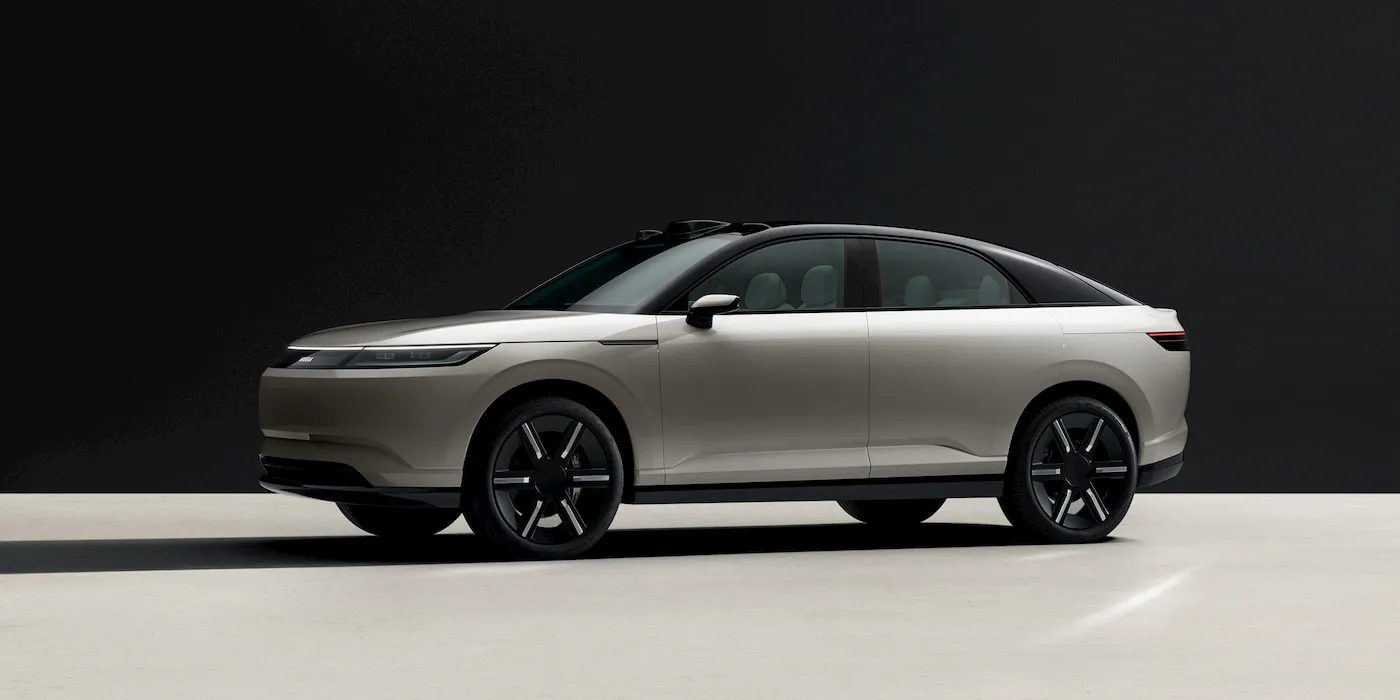
The decision also fits into a broader pattern. Over the past several months, Honda has steadily dismantled much of its EV roadmap. The company canceled multiple next-generation EV models for North America, including key vehicles in the planned Honda 0 Series lineup and the Acura RSX EV. It also abandoned the high-profile Sony Honda Mobility Afeela project, which had been positioned as a premium software-focused EV brand.
Financial pressure appears to be driving much of the shift.
Honda recently reported a multibillion-dollar writedown tied to its EV business and warned of a sharp drop in operating profit, citing tariffs and weakening margins. In practical terms, the company seems to be prioritizing short-term profitability and hybrid vehicles over the costly transition to fully electric platforms.
That strategy has advantages—but also clear risks.
Hybrids remain profitable and continue to sell well globally, particularly in markets where charging infrastructure is still developing. Compared to full EVs, they also require less investment in batteries and supply chains. But delaying EV expansion could leave Honda increasingly dependent on aging technology while competitors scale faster.
Companies like BYD, Tesla, and Hyundai are continuing to expand EV production aggressively, even amid market volatility. Meanwhile, Honda’s only major EV currently on sale in the U.S.—the Honda Prologue—is based on General Motors’ Ultium platform rather than Honda’s own technology.
The fallout extends beyond Honda itself.
For Canada, the shelving of the Alliston project weakens efforts to build a domestic EV supply chain and raises broader questions about the reliability of large-scale automaker investment commitments. Governments had tied billions in subsidies and industrial planning to projects like this, betting on long-term EV growth.
Now that assumption looks less certain.
Conclusion:
Honda’s retreat from its Canada EV project is more than a factory delay—it signals a company reevaluating its entire approach to electrification. Betting on hybrids may protect profitability in the short term, but pulling back from EV investment while competitors accelerate could leave Honda struggling to regain ground later in the decade.